Sines have been playing around Adelaide for a couple of years now and with roll out of their debut album are beginning to pick up momentum. With a tight and dynamic live show and great song writing chops they’re definitely one to watch. Sonic Vandals sat down with singer Caitlyn Hearne and guitarist Matt Gelling to chat about the band’s origins, the benefits of studying jazz, and their influences and song writing inspiration.
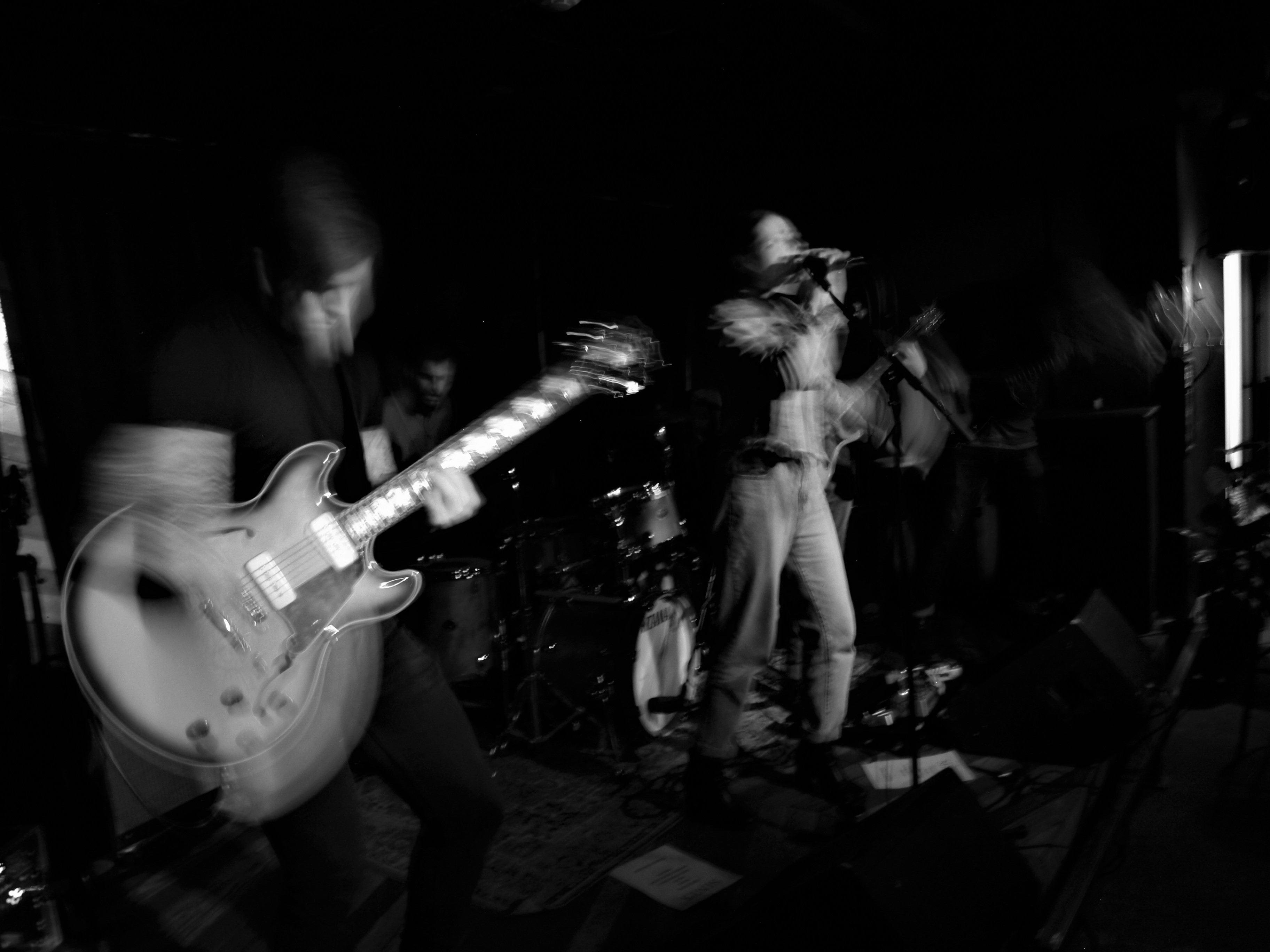
Sonic Vandals: Tell me about the band. How did you start? How did you all meet?
Matt Gelling: So I first started working on this band back in 2016. I formed this band and started working and writing for it after my old band had just split up, which was a band called I Exalt. After that band broke up, I was a little bit over doing the metal heavy extreme kind of thing. I wanted a band that was a little bit more diverse and where I could put in many of the different styles of music that I was listening to at the time. Like Post Rock, a little bit of aggressiveness and also something that’s a little bit more accessible to people as well. Unfortunately, extreme death metal is not exactly the most accessible genre in the world.
Caitlyn Hearne: A bit more of a niche market.
MG: Yeah, exactly right. I started writing all that music, but one of the biggest lessons that I had learned from my time in that band was how important it was to have the right people around you. While I was doing all my studies and all that, I was waiting, just trying to find the right people, and it took me quite a few years to get there. Fast forward to about 2018 and I started doing a bachelor of jazz at the Adelaide University.
SV: Right, I can hear that.
MG: Yeah, just a little bit. And from there (Adelaide Uni) I had met Caspar and Lenny beforehand and.
SV: Bass player and guitarist?
MG: That’s right, correct, yeah?
In the back of my mind, I didn’t think they would be interested in that, but I thought you know what, let’s run the Hail Mary and just see what happens. I knew that were phenomenal musicians and they seem like good people as well, so I asked them and they go “Yep, all right”. For about a year we had just the three of us and we were bouncing a few ideas off of each other for a little while. About a year later, we thought of who we’re going to get for drums, and that’s when we had the idea of getting Zed to play drums. He had also done the bachelor of jazz and as I said, is an absolutely phenomenal drummer. And once again I thought nah, he’s not gonna do it. So I sent a message and he said “Yeah, sure I’ll do it”.
MG: One of the biggest issues that I had when trying to find the people for this band was trying to think of a vocalist that I wanted. What I originally had in mind, I auditioned a few people to do it and to put it as kindly as I can, they didn’t quite fit what I wanted. Caitlyn had done a few cover gigs with me beforehand and she did an absolutely fantastic job learning a stupid amount of repertoire in very short time. In about a day or two or something like that. And at one point I think I was talking to Caitlyn, I thought “Yeah, bugger it, right? Let’s ask her and see what happens”, so next day, same thing again. I thought she would also not really be interested, but she said “Yeah, I’ll do it”, and that’s how we got started.
SV: Have you studied jazz as well, Caitlyn?
CH: Yes, we all went through the jazz course.
SV: How do you guys write? Do you write all the music?
MG: I write the majority of the music. What I generally do is for the instrumental side of things I’ll usually write skeletons. Here’s the ideas, here’s the melodies, and then I’ll bring it to the band and then they’ll put their two cents on it. So, especially with things like rhythmic patterns, the rest of the band are absolutely phenomenal with that. And then from there Caitlyn will put her vocals over the top and write her lyrics and somehow it all comes together.
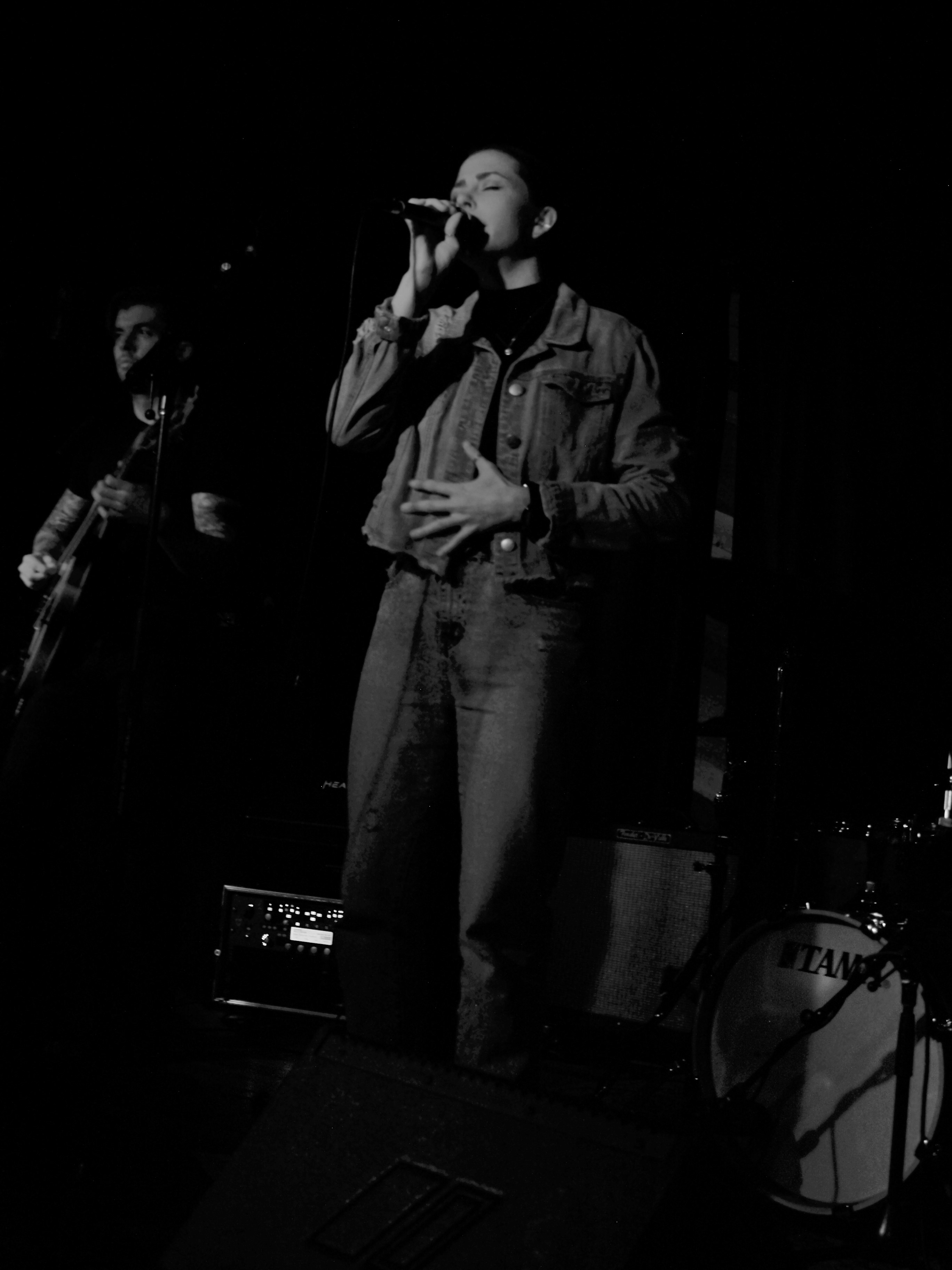
CH: Matt will send me demo versions of the instrumental, and then I’ll write the melody and lyrics over that and then we might rehearse it as a band. We might change a few things here and there and go from there.
MG: We try to find ways as a band to keep tightening everything, to make sure there’s no fat to the songs but there also nice, interesting little quirks along the way. It needs to be accessible to people, but we’re also all jazz musicians, so it also needs to be interesting for us to play as well
SV: Yeah, well, there are definitely lots of interesting little quirks. There’s one song, I can’t remember the title but its halfway through the album and it’s got that little eastern sounding breakdown in the middle. I love that that’s really cool. It’s definitely an interesting album. There’s so much different stuff going on there, it’s accessible to. Caitlyn, what’s your history before this band, had you been in any other ones?
CH: Not in this genre. I was in another original band called Burjon, it was very different music, and I didn’t have anything to do with the writing. In probably year 12, a friend introduced me to bands like Northlane and Karnivool and stuff. I loved that music because when I was younger, I loved Evanescence. Like I would walk around- and I was like, 5- walking around with my little Discman, just going for it. I guess I grew up loving that kind of music and then had a big phase of it in year 12 and then haven’t really revisited it since. And then when Matt asked me, if I was keen to try writing something over this track, come in, see how you go, that was really exciting. It’s so cool to revisit this and to actually have something to do with it in an original creative sense as well, not just consuming. I wasn’t really in any other original bands that I’d kind of written for, so yeah, this was nice to get my writing chops up.
SV: What about the lyrical themes what sort of stuff inspires you there?
CH: Yeah, a lot of mental health stuff. I guess going through those phases especially late high school and through UNI where I really struggled with body image and that whole relationship with body and food really played a big part in I how I felt from day to day and the ups and downs of that.
SV: I think that’s a real big problem in society today for so many people. That’s something that really needs to change.
CH: Yeah, and that’s it, it is so pervasive, if that’s the right word, you just don’t really appreciate how many people experience that, and it’s not just girls. I kind of drew from I guess the emotional and mental struggles from around that time. This kind of music is really good for just digging deep into the nitty gritty of those hardcore kind of emotions, which is nice.
SV: It’s good for catharsis.
CH: Yeah totally. The songs are very mental health focused in that respect. Exploring the pain of the experience, but also the lessons you learn through it all
SV: That comes through, definitely. And your vocal style, there’s definitely some different influences coming there. There’s one song on the album that where you have a bit of an R&B sort of thing going on. It’s a ballad, track four, the name escapes me right now. The fire?
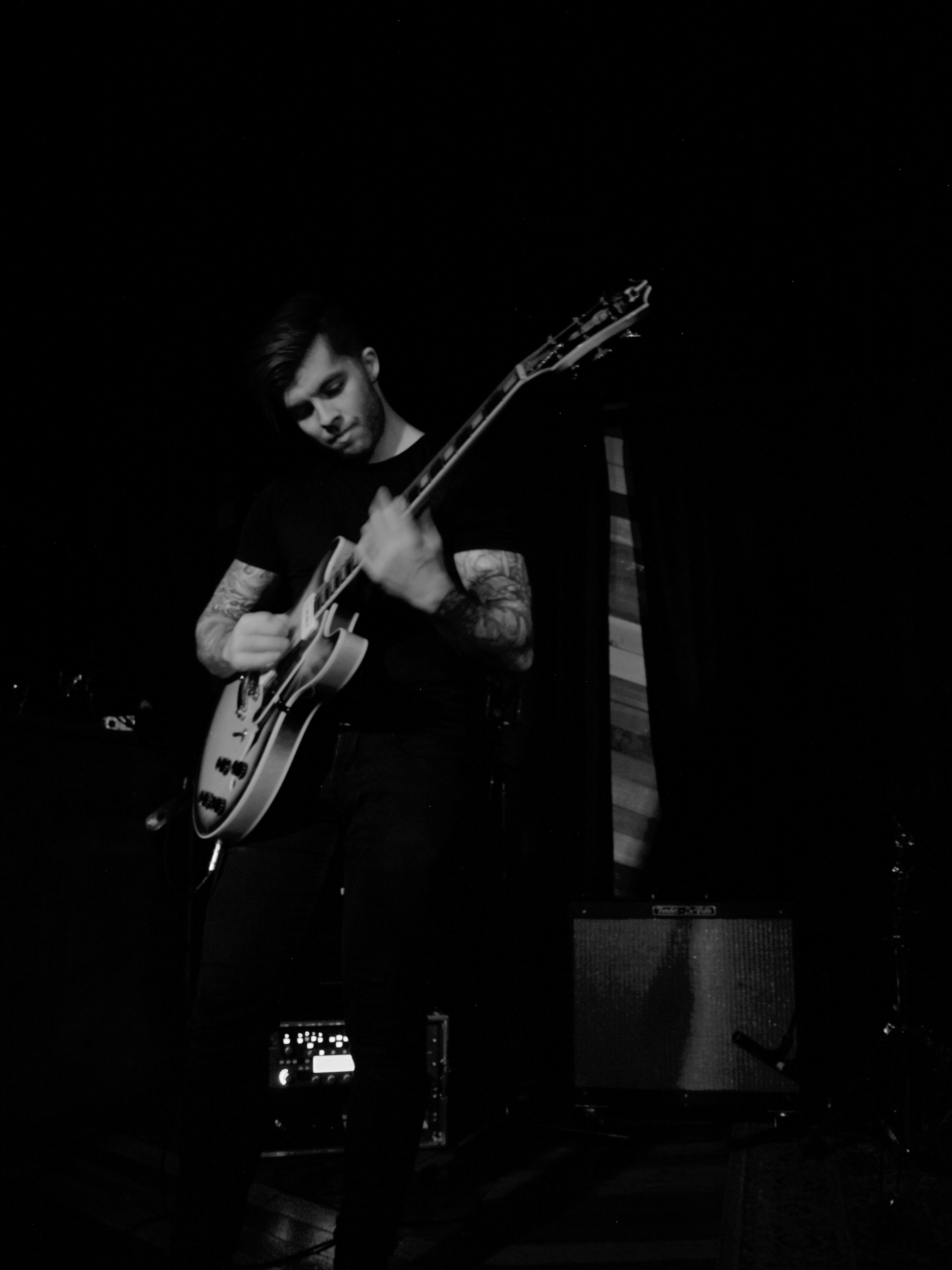
CH: Oh yeah, Awaiting the Fire.
SV: Yeah, I’m terrible with song titles.
CH: Did you get sent the songs?
SV: Yep
MG: Yeah, they were the correct titles though.
CH: Oh ok, I didn’t know if you’ve heard the rest of the album.
SV: Yeah, yeah, I have.
CH: Yeah, awesome cool.
MG: It always takes me a second to remember the titles myself because we spent so long with all the song titles being these different code names.
CH: Yeah, the working titles they tend to stick.
MG: Every single time I’m writing a record, there’s usually an umbrella code name, so for this one, almost every song was like titled after some colognes, so Aventus or Sauvage or something like that. So just trying to remember what the actual song titles are is a bit of a struggle as well.
CH: Now when we’re at a gig and I’m calling the actual name of the song I’m like, “Oh, is that this one?”
MG: I’ve had to put in brackets all the code names, so that all of us can remember.
CH: For example, Rescue the working title was Filth.
MG: That was because of the guitar intro, I just stumbled across it and thought “That’s filthy, that feels right, that’ll do.”
SV: I’ve actually seen that before, one of my daughters she comes to a lot of shows and she’s always stealing setlists from bands, she collects them, and I’ve seen other bands do that for sure, it’s probably a common problem.
CH: Yeah, getting used to the first label you put on something it kind of sticks.
MG: One day we’ll remember the actual titles. Maybe!
SV: So Matt, what inspires you to write?
MG: So you have your musical influences and all that. I mean, I love the post rock genre because I love the reverb, which obviously there is an enormous reverb influence on this just because it allows you to get lost and immerse yourself within the sounds. As much as I have attempted to stay away from it over the past couple years all the metal stuff is going to be there, a little tinge to it, a little something, a little aggression in there. But in terms of what I actually write and what I wanted to connect to people, or what I want people to hear, it’s more….This is my wish mentally, but this is my personal thoughts and feelings in this form, if that makes sense. It sounds a little wanky, but for every creative I do believe that this is our, I think you said the word before, catharsis. If every creative person was able to say what they wanted to say in words, then we would never have a need for music. So for a lot of the music that I write I’ll think of an experience in my life, and how does that sonically reflect this? For example, to take a particular thing that siren, the Middle Eastern theme in what’s the song called?
CH: Run?
MG: No, not that one. The heavy one. Aventus.
CH: Oh, Waking Up.
MG: And we were just talking about that. “Waking Up” that whole siren thing that’s meant to represent a particular stage where everything is falling apart, and you’re left by yourself. Just absolute silence. The siren represents that I’ve got tinnitus in my ear. So when I’m by myself, that’s all I can hear and that note that that siren is, is that exact same note. So that’s the representation of that when everything is falling apart, that’s the only sound you can hear and nothing else. A lot of it is purely experiences that I’ve had, how I want it represented in a sonic form or different feelings and things like that. That’s how I’m influenced musically and how I want to be creative.
SV: There’s definitely a lot of attention to detail in the recording, and that explanation makes a lot of sense.
CH: I didn’t realise the tinnitus thing.
SV: And then the drums come back in, the double kicks and off it goes.
MG: Pure fury and rage.
CH: I think that song particularly it is more, I don’t know if metal is the way to describe it. A bit more hard hitting in that respect, so it kind of draws from that world so there’s that element of, yeah, we gotta get some of that in the album.
MG: Yeah, that whole song is meant instrumentally as a fall. You’re going through the motions of an emotional episode, let’s say that.
SV: It doesn’t follow the standard verse chorus verse structure either. It’s obviously a journey, right?
CH: And I found that one hard to write over, but it was good, yes.
MG: The whole thing with that song is a little bit more intense than the rest, but at the start it’s meant to be neither here nor there. At the start, it’s not really angry or happy, it’s just there, and then it slowly meant to descend into more and more darker themes and then slowly get out because that was a particular experience I had at a certain time. Everything was kind of neutral. Everything was kind of neither here nor there, and then there was that slow descent into in a not very nice place and then slowly getting back out of it again. So every single song on that record – there is an intent for every part. There is a specific story or experience or something that I had that I wanted to put out there
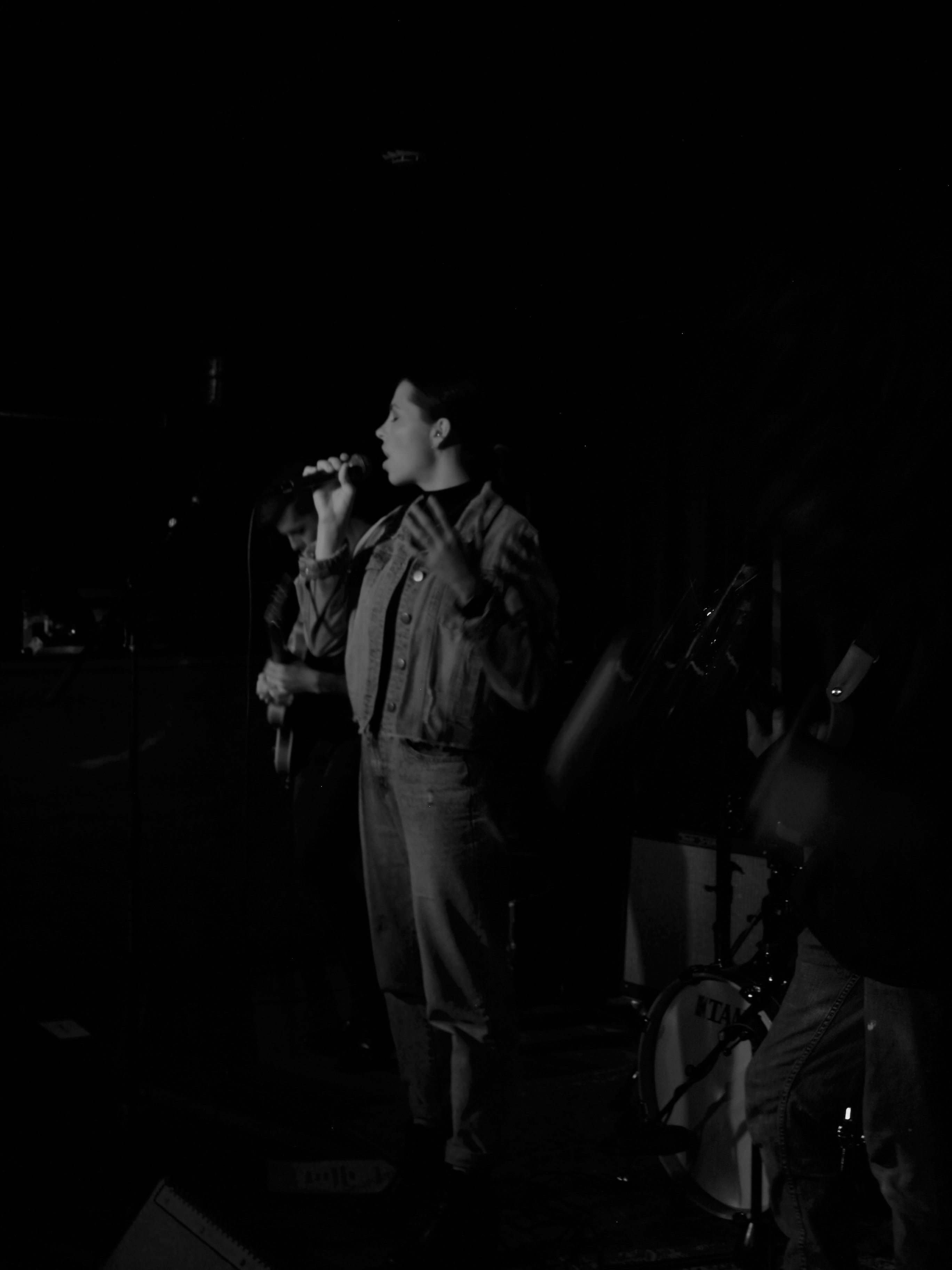
SV: Having seen the band live, I can see there’s a chemistry between all members.
CH: We all get along very well, Caspar, Lenny and Zed are just the loveliest human beings, and very funny people. Good vibes in the band.
MG: It’a very easy group to work. There are no egos or anything like that. Everyone knows what they need to do. Everyone knows that you rock up, be prepared, bring something to the table, have their own two cents and their opinions which are way more often than not enormously beneficial. It’s about creating an emotional connection on stage and all that, I am a big believer and I have been since about 12 years ago when I played my first gig. If you’re playing your own music, you need to mean it, people aren’t stupid, they know if you’re getting on stage, just going through the motions. But if you’re on stage and you mean what you are expressing, if you mean what you’re playing and that’s it, people can see that there’s that weird energy connection thing. That weird mystical thing that people understand but can’t explain but understands. And that to me is the most important part when you’re playing live is to mean what you play.
SV: Absolutely, and that definitely comes through. I had no idea what to expect going off the name. But that’s another question I wanted to ask you was the origin of the name and if there was any meaning behind that.
MG: The band name has the least amount of meaning, but even then even then – way back in 2016 – a quick little connection – there was a metal band that I really loved called Fallujah and they had an instrumental track called “Alone With You” and this was the first time I was aware of ambience in this sort of thing, so I went on a massive spree trying to find any genre that sounded like that. Which then brought me to post Rock and discovering all those bands. Then going through post rock channels, I discovered a band called Jacob from New Zealand and the first song I heard from them was “Blinding with Science” on an album called Sines and I kind of took that name as a pet project, but the more that it kind of sat there it was like, “I like this”. This is a nice little nod to where this thing started from. The only problem with calling the band Sines is I’ve now found every time I try to tell somebody the name of the band, they say “what’s your band called Science?” No – S I N E S!
CH: Yeah, and also some people ask me is it Sin-es or is it Science, because I guess like I if you haven’t really heard about a sine wave then you it might not click. You might pronounce it differently.
MG: So it has some drawbacks. But yeah, that’s where it came from.
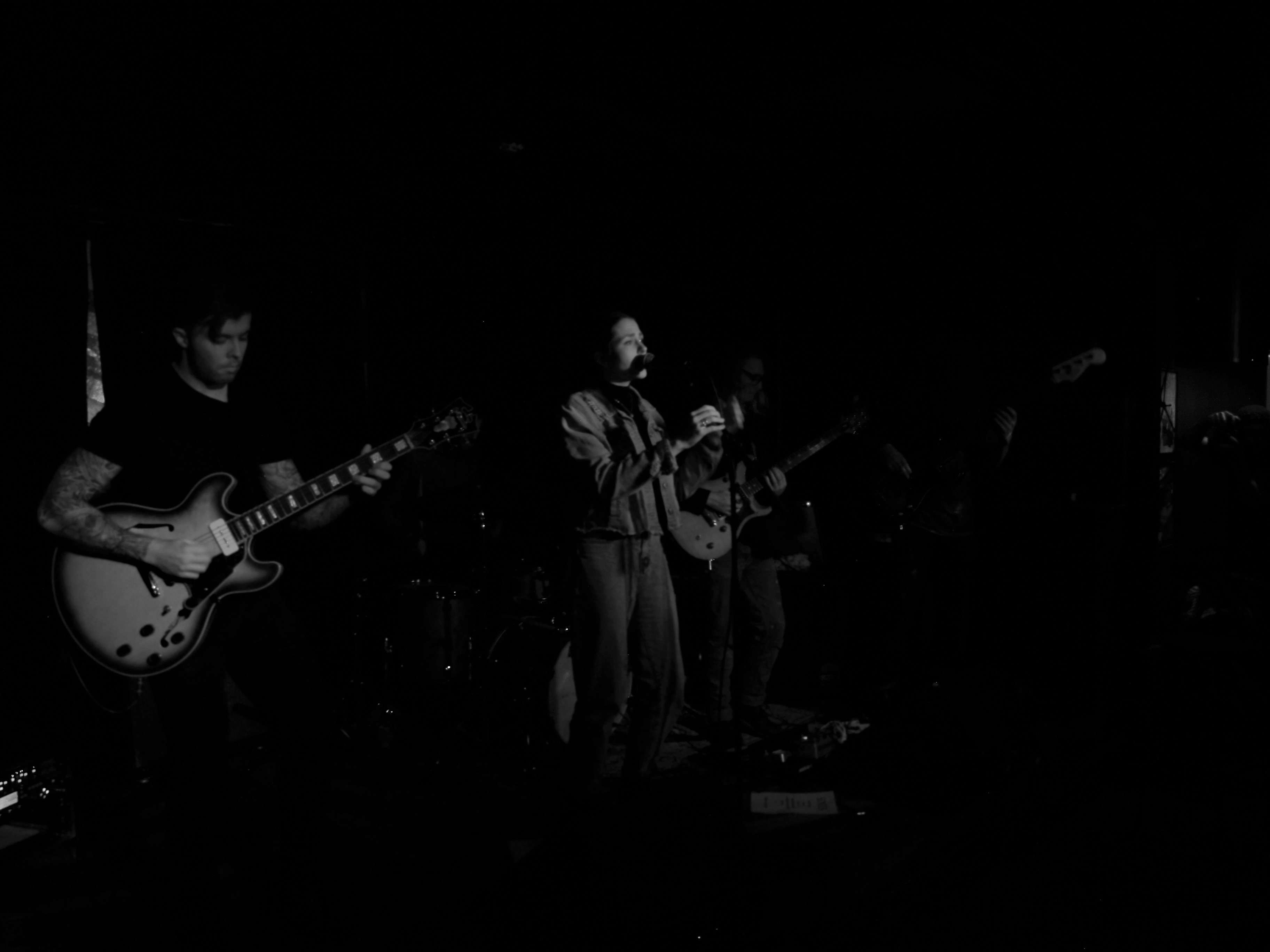
SV: I do have a question that relates to the fact that you’re all jazz musicians. Did you guys all finish the course? And something I’ve always found really interesting is that people who are really good musicians technically aren’t necessarily good at writing or creativity, they don’t necessarily have that emotional connection to what they’re doing, but you guys clearly do. You can write good songs and you’re doing it for the right reasons. How does having that jazz background help you to write songs, how does that help you translate the ideas that are in your head into reality. I’ve played in a few bands over the years and done all sorts of different musical things and things rarely come out sounding the way they do in my head. How does the jazz background assist you to bring out your vision?
CH: I’m not a jazz musician, I studied the jazz course so that I could learn as much about music in that period of time as possible, to give me more tools as a songwriter and to be able to speak more of the musical theory terminology and language to better communicate with the band about things that I want in the music. I enjoy listening to jazz and singing jazz a lot but since then I haven’t really done any any jazz gigs or anything like that so I’m definitely not a jazz musician. But it it definitely helped, it helped developed my ear and my music theory knowledge. If there is something a bit trickier like for example, one of the songs “Survive” in a bridge section, I’d written something over that section, and something didn’t sound quite right. I think I spoke to Caspar about it and he said “oh, it’s because of this key center and you’re singing this while I’m doing this” and that made sense. Whereas maybe if I didn’t have as much knowledge about music theory and having that understanding of why it clashed, I wouldn’t have been able to rewrite it as easily. That’s just one example. I studied it as an aid for original music rather than I really love jazz.
MG: I have an enormous love-hate relationship with jazz. One day I will tolerate it the other day I can’t stand it, so it depends on the day. The original reason why I went to the jazz course was after I finished my diploma, I needed something to do and I kind of figured that there’s still more to learn. Caitlyn, just mentioned about the language of music and understanding all the different parts of that. One of the benefits of jazz is that it uses everything, every single device that you possibly think of. Also, it’s not enough to know just a little snapshot, you need to understand every single thing that’s going on.
CH: Like any genre, it’s just a big umbrella term, there’s so much within that, like Latin and ballads and swing and everything in between.
MG: Exactly. One of the one of the biggest frustrations that I had when I was doing I Exalt, the band, before that was I could have ideas in my head, I just didn’t know what I had to do to get it out. So studying the Jazz course allowed me to understand. “OK, so this is what’s going on in my head, so this is how I get it out onto here” because I will be forced to learn all the wide spectrum of what everything actually is. For me personally in terms of, the writing, you mentioned before there are like amazing technicians who are very logical if they’re creating, which can be expressive, or maybe not, who knows? My thing is always about writing something that is an experience of feeling or whatever, so there are times, especially at the start there are times I’ve written something and go “This sounds cool, we’ll work with this” then I’ll go to Caspar and Lenny and they’ll say “Oh, this is cool, you did this thing, you did some time modulation” and I’ll be like “I did?” Well, thanks for explaining it to me and now I know what it is, but that’s just what I had in my head. So the Jazz course definitely helped understand a lot more. I have an idea in my head, this is what I want to do if it makes sense, great, if it doesn’t make sense, oh well, as long as it sounds good and has a purpose.

CH: You don’t necessarily have to study jazz to be able to do that. Going into I was like “oh well if you’re good at jazz, then you’re good at anything – well, not really, but that was my kind of mindset going into it and you don’t have to study jazz to be able to do all that stuff. But you know, it’s a structured, institutionalized course. You’re practicing music nonstop for three years, so you’re going to get better and that’s going to be beneficial in in other areas, but yet you don’t have to just studied jazz to do that.
MG: As Caitlyn just said, it is very institutionalized and that’s not necessarily a knock, it’s just it is what it is. But when you come out you’ve learned so many tools and when you’ve done this you want to do this, you want to do that and also the song comes this overly complicated thing that doesn’t make sense to your normal person in ways, it’s this abstract thing, so I think it’s important regardless of how advanced you become as a musician or as a songwriter or as a creative or whatever it is, you have to remember what you’re writing the music for.
SV: You always want people to be able to relate to it without having a jazz degree.
MG: Exactly.
CH: As you get better at something there is that temptation to – I didn’t really feel this in the jazz course because I was always catching up and struggling – but I guess there is that temptation to show everything you got, in that culture of trying to show all of the things that you’ve been practicing for the past month and here’s everything you know – here’s all the complex stuff and more complex than better. I guess there is a temptation to do that as you find more facility on your instrument but you gotta use it with taste, I suppose.
MG: Gotta write a good song, man!
SV: Well, that’s interesting because one of the other interviews I did just a few weeks ago was with Chelsea Lee Smart. She talked about jazz quite a bit and one of her issues was with how restrictive it was, and she wants to get up there and rock out sometimes and you just can’t do that.
MG: I used to get in trouble whenever I did my performances for moving too much. I was used to head banging, stomping my feet on the floor and moving around being a nuisance. Now I’m going to a jazz course and have to sit, stand still and play! Yeah, I definitely understand the want to just rock out and have some fun.
SV: For sure. You see guys like Django Rowe and Ben Finnis or playing in rock bands as well as and their bloody good at what they do. In fact, it’s amazing how many of my favorite Adelaide bands are full of jazz musicians. It definitely has its place, and it is a good breeding ground for creativity, I think. Where do you see yourselves going?
MG: So particularly over 12 months, we’re going to continue playing more and more Adelaide shows continue growing the bands and as soon as possible continue start to push interstate as much as we can.
SV: That’s been hard thing to do in the last couple of years.
CH: I joined at the end of 2019 so just pre COVID. It kind of put a stop to things for a while but we were still writing and getting things together. I’d only just joined, and I was still writing stuff, so you know it wasn’t the end of the world. But yeah, certainly has affected everyone in every industry really but especially the arts.
MG: More Adelaide shows, go interstate then take over the world!
 Sonic Vandals