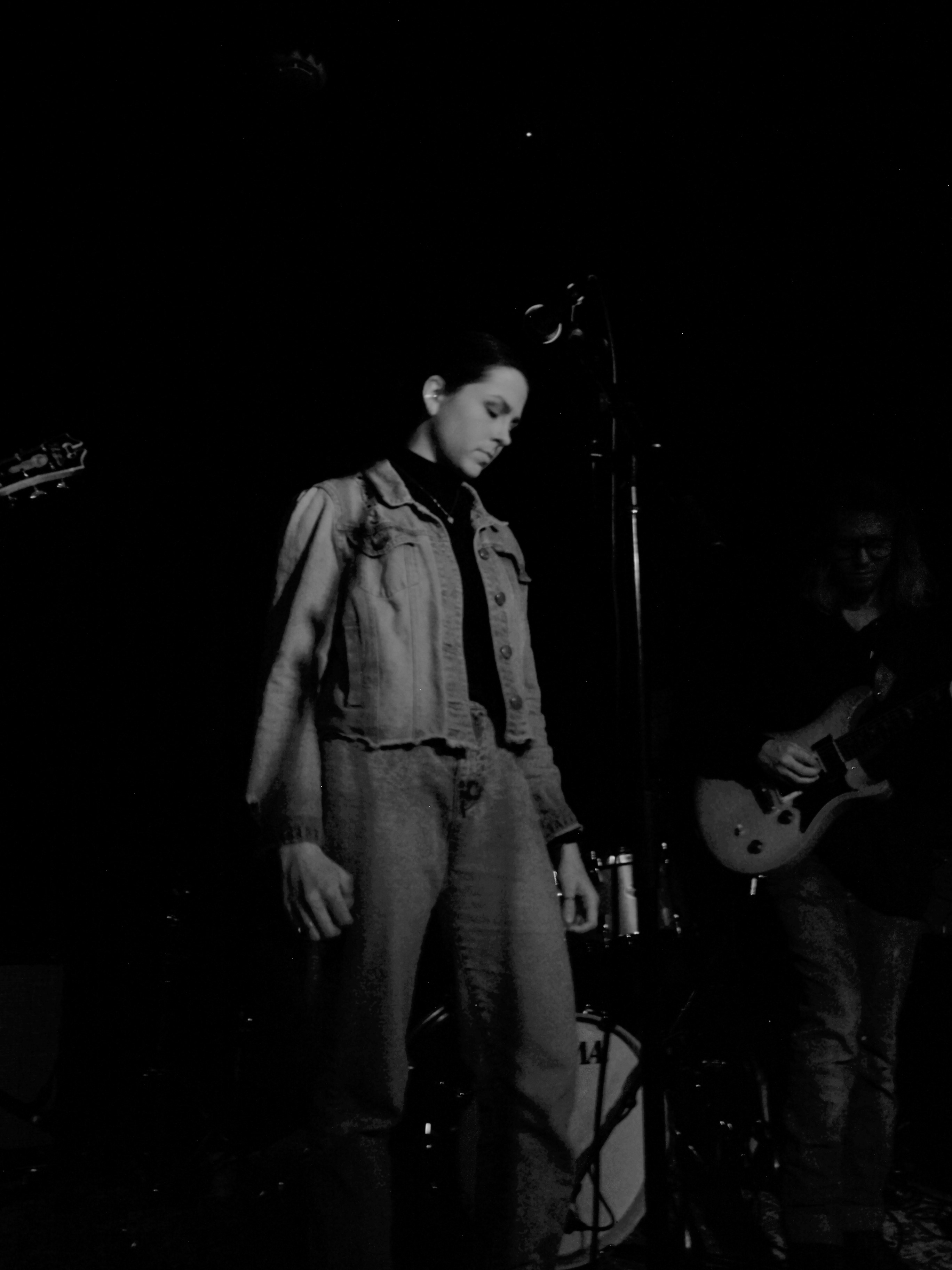
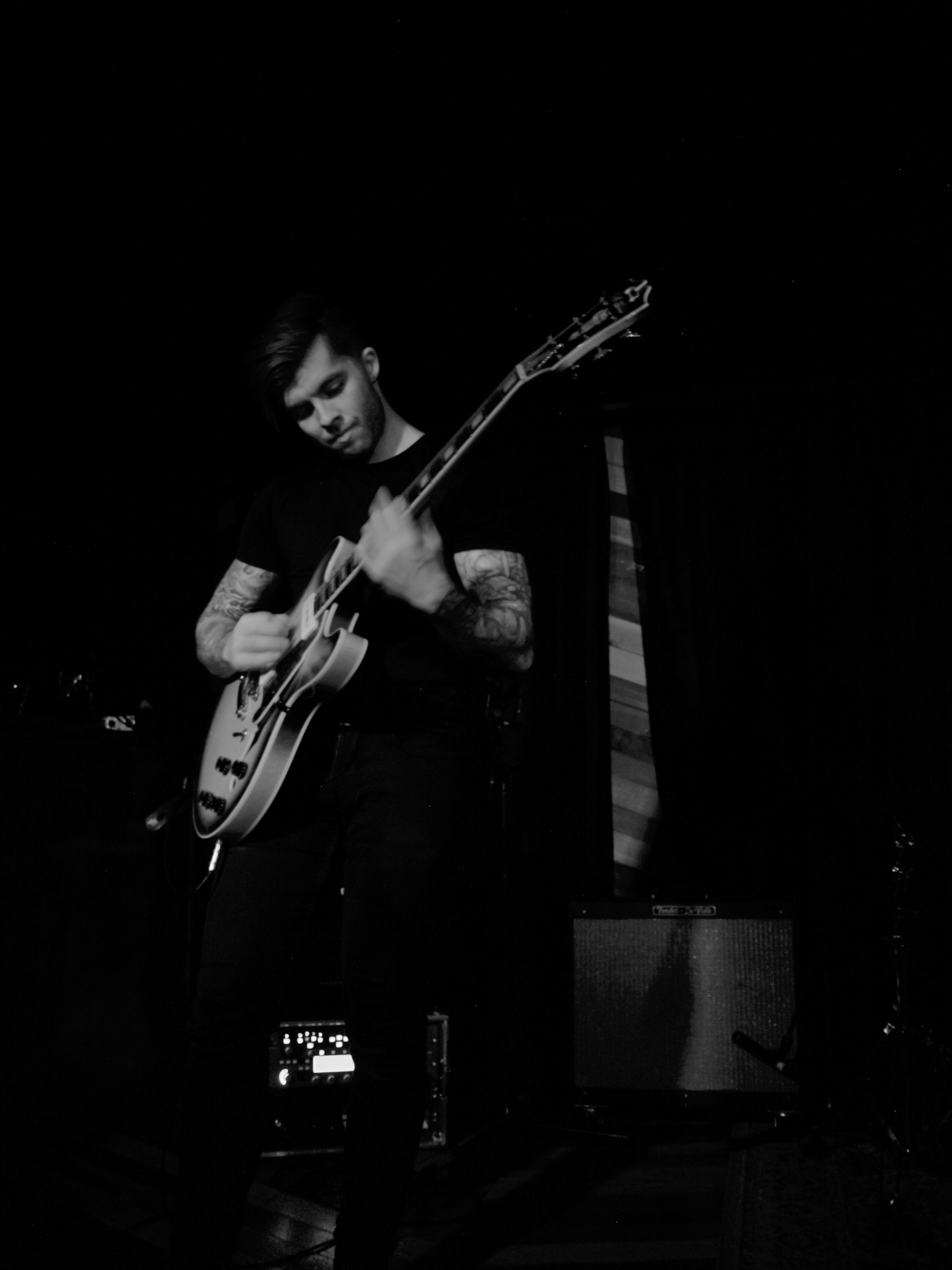
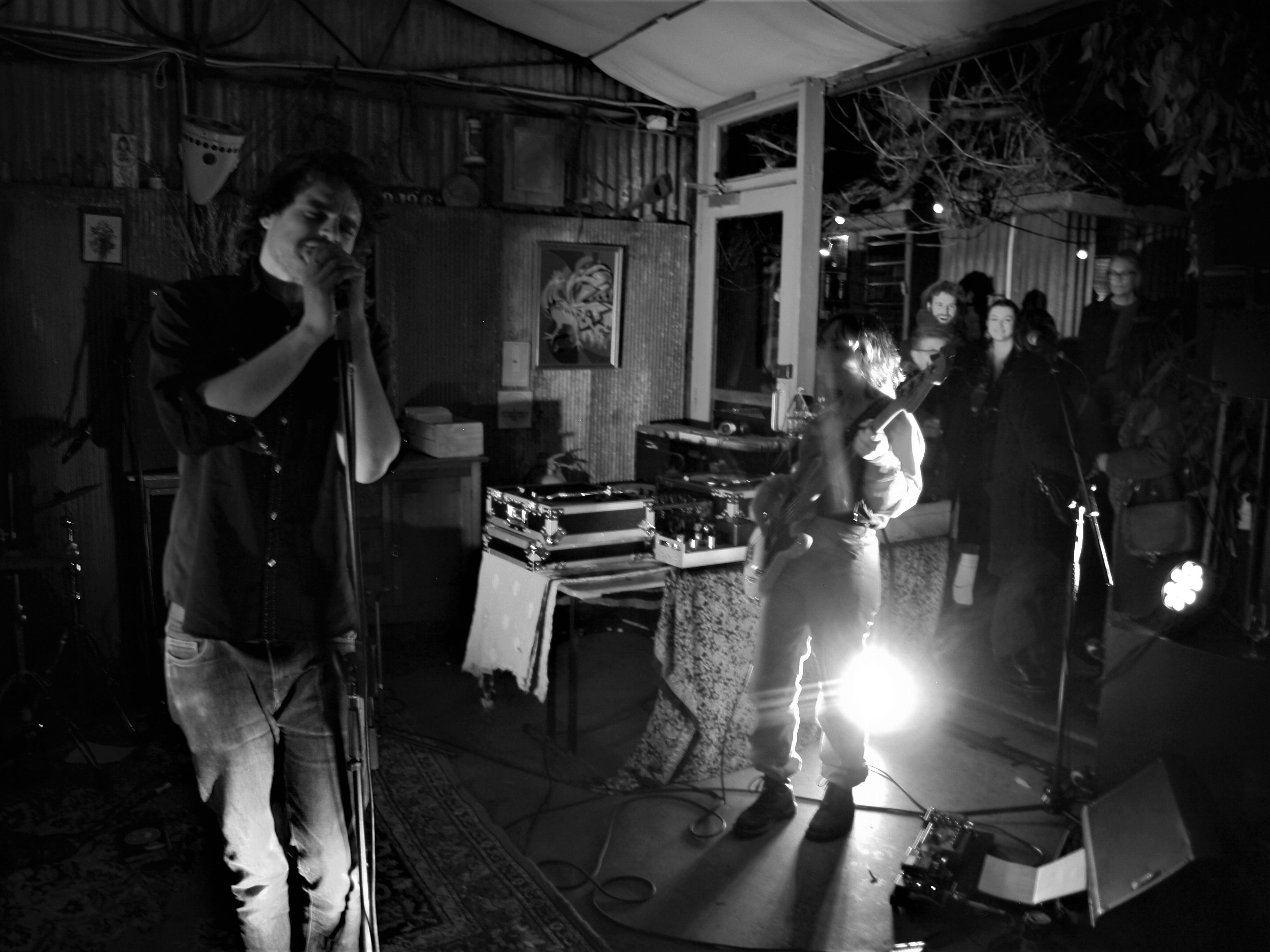
Sines are one of a growing number of world class bands that have popped up around Adelaide in the last few years. Their melodic post metal/alternative rock sound is deceptively complex – their dynamic songs are built on the intricate rhythms and locked in grooves of bass player Lenny Regione and drummer Zed Crawford. Guitarists Matt Gelling and Caspar Hawksley create effects-laden sound-scapes that often explode into heavy and distorted chords and riffing in the choruses and bridges. Their well constructed solos alternate between jazzy and melodic fare to fiery shredding.
Their set consisted of their first single ‘Til It’s Over’ and a selection of songs from their forthcoming self-titled album. ‘Til It’s Over’ builds to an explosive chorus featuring singer Caitlyn Hearne’s powerful and bluesy vocal. She has a keen ear for a melody and adds a soulful aspect to the band’s sound. Set highlight ‘Rescue’ is reminiscent of European Gothic metal bands like Lacuna Coil or Delain. The chorus vocal melody soars over a bed of atmospheric guitars and builds to a catharsis driven by Zed Crawford’s machine gun like double kick. Set closer ‘Hold On’ is a heavy alternative rock song with an anthemic chorus that will stick in your head for days.
The band is tight and well rehearsed and their intensity was right on from the opening notes of their set. The crowd in Jack & Jill’s Basement Bar received the band enthusiastically and most were on their feet and moving by the time the last song finished. Fans of bands like Deftones, Lacuna Coil and A Perfect Circle would find plenty to enjoy here, as would anyone who likes their music heavy and melodic.
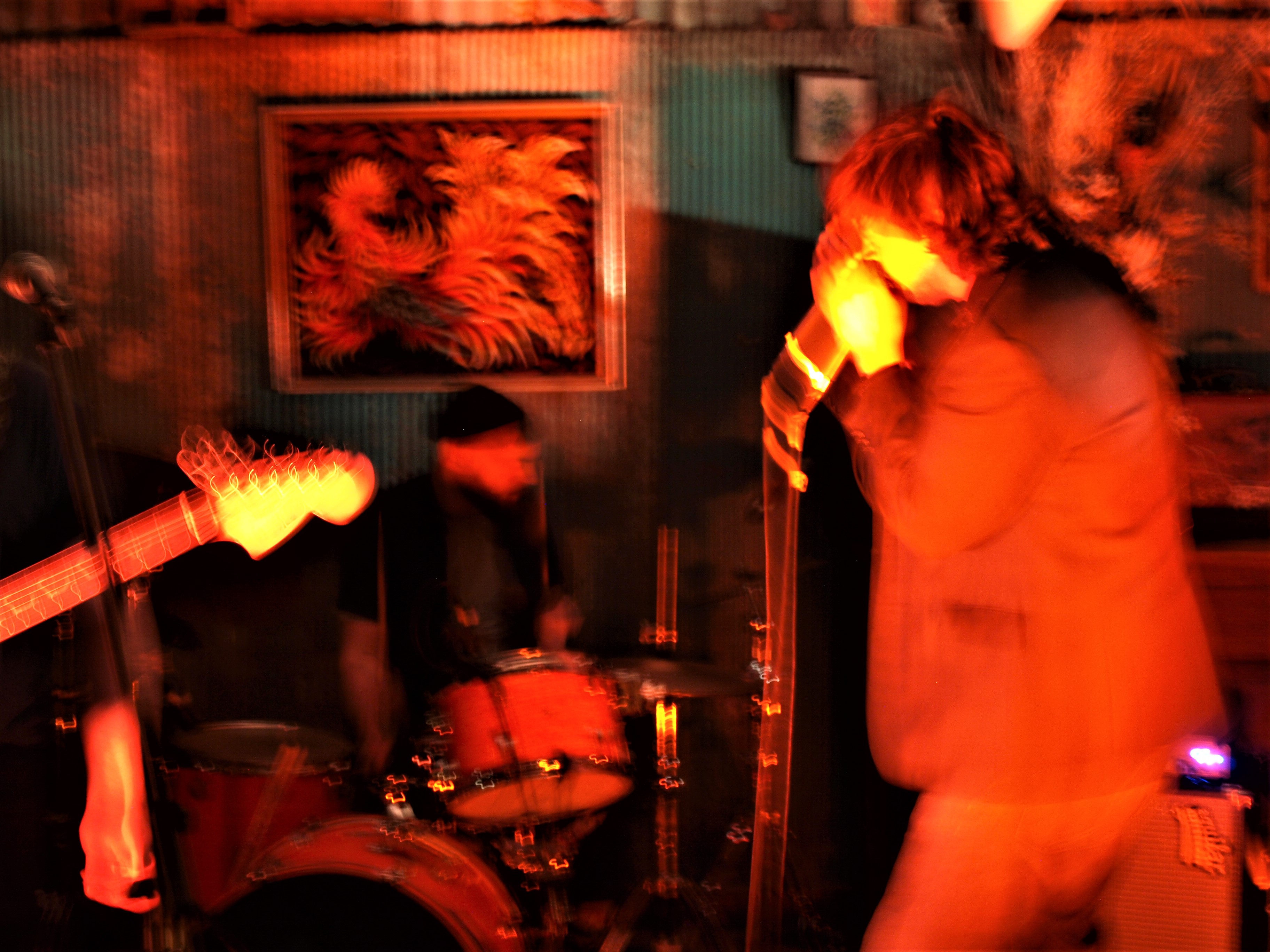
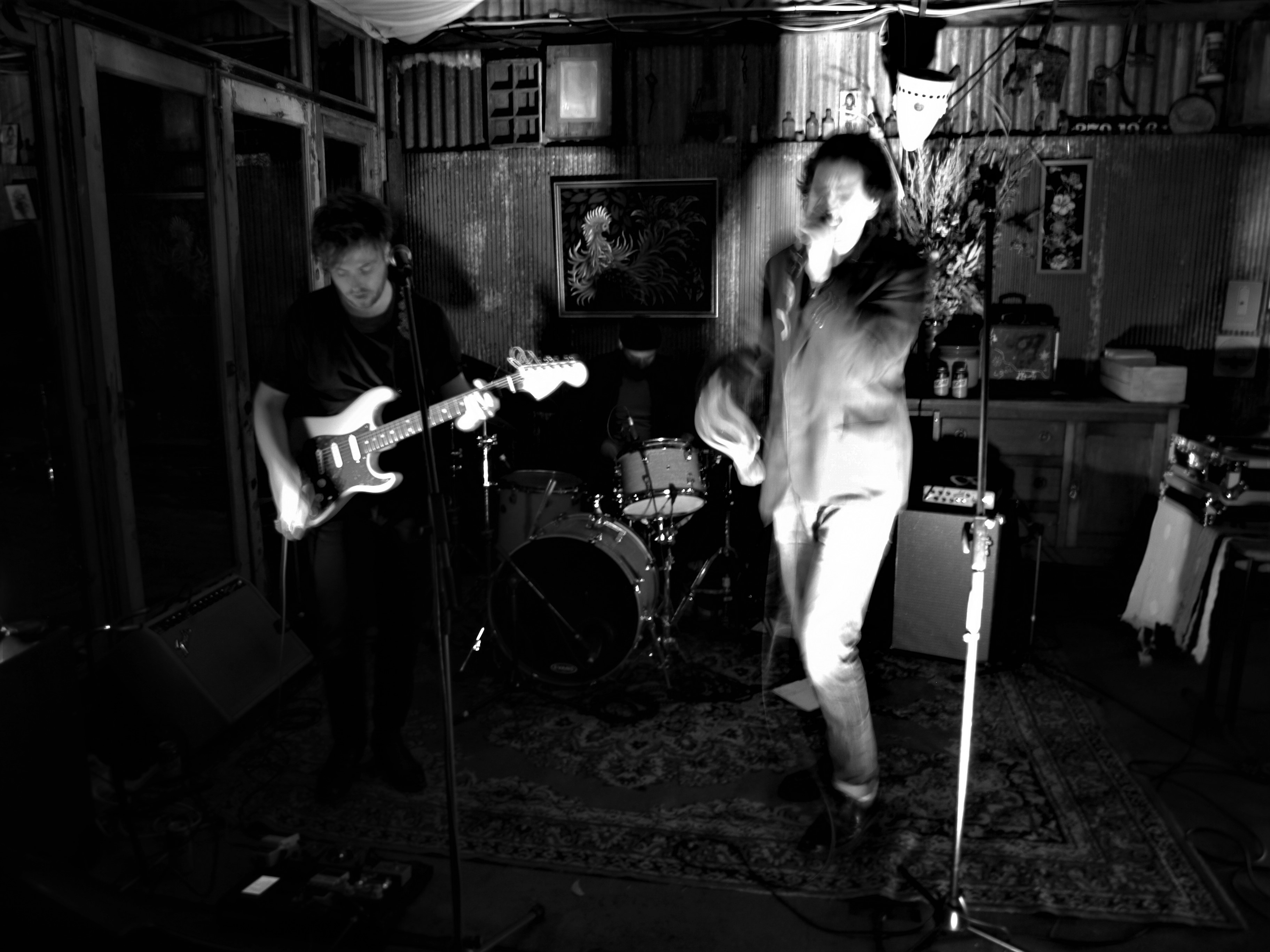
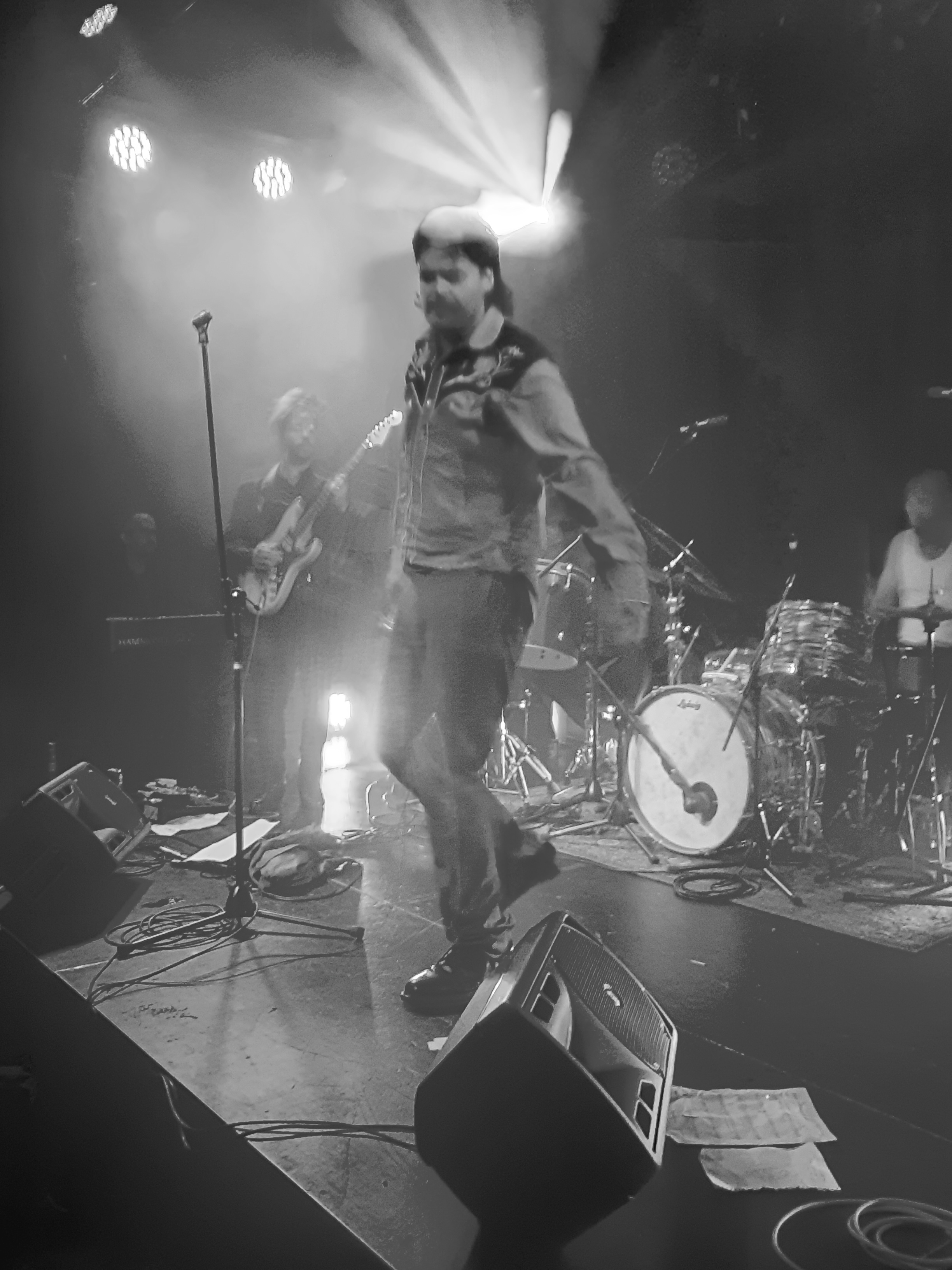
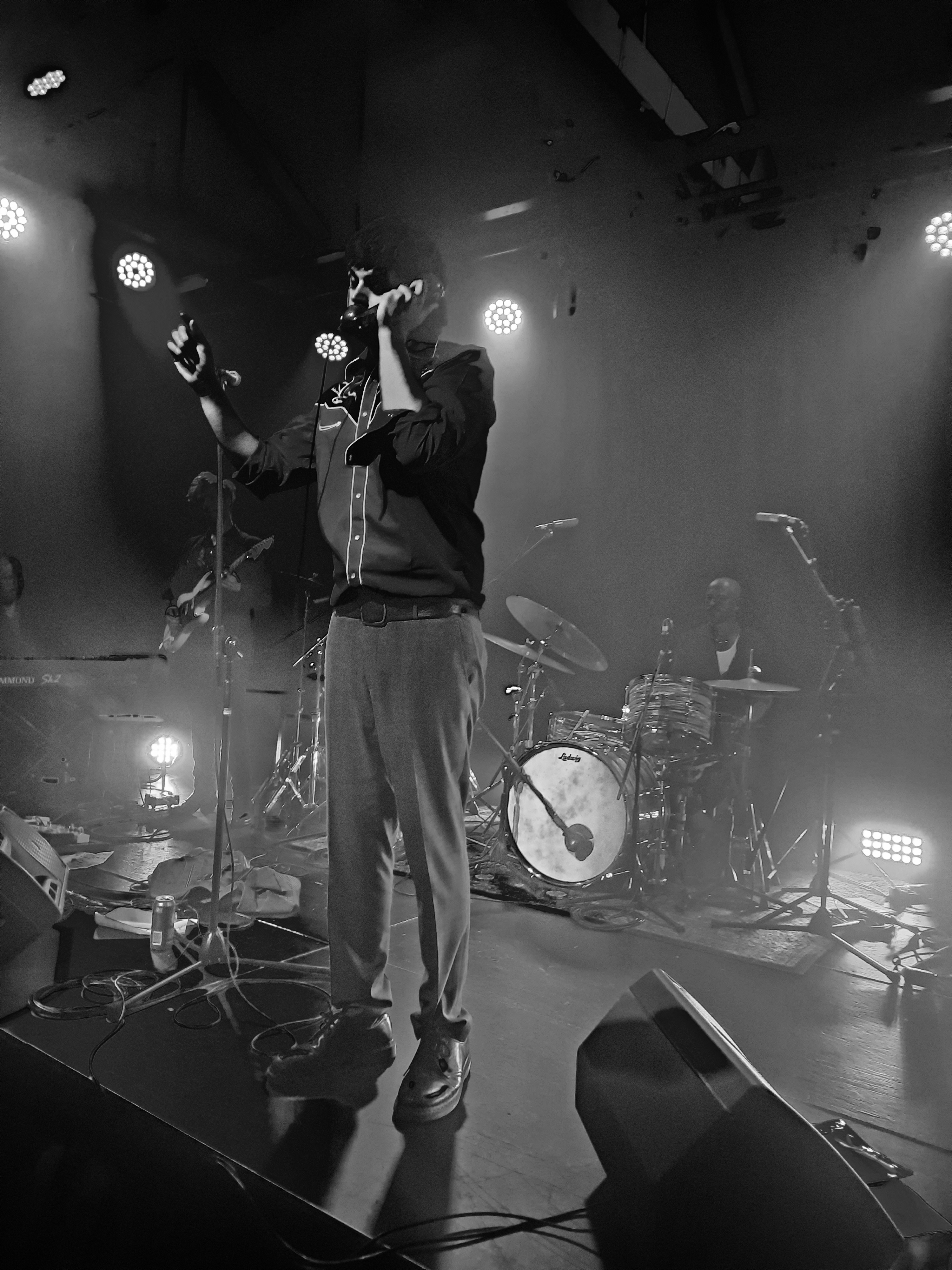
Stephen Johnson is one of the wild men of Adelaide rock ‘n’ roll, on stage at least. His band St Morris Sinners is one of the most intense and creative in the scene. No one who has ever attended one of their shows would forget it, as the charismatic front man leads the band and their enthusiastic audiences to catharsis. Sonic Vandals sat down with Stephen to talk about the cultural impact of Twin Peaks and most importantly their brilliant new album Zbilanc that was unleashed on the world back in April.
Stephen Johnson: So, who else have you interviewed?
Sonic Vandals: So far Georgy Rochow from Hey Harriett, and I’m going to interview Chelsea Lee on Saturday.
SJ: From Djawbreaker. Awesome, she’s really nice.
SV: Yeah, I met her once, very briefly.
SJ: Very good singer, just a really cool musician. Django plays with her as well.
SV: I’d say she’s probably about 20 years younger than me as well, but she’s into a lot of the same movies and TV shows as I am.
SJ: She’s got great taste, right?
SV: Yeah, it’s really interesting that generational thing. You guys all seem to be into shows like Twin Peaks that were around when I was a kid.
SJ: Was it considered cool then? I remember my dad saying, he remembers Twin Peaks getting really popular. He’s a bit older, he’s nearly 70, and he’s said things like “I remember the 90s when you guys were little babies and Twin Peaks started, it was on TV and it was it had traction and people talked about it, but it was still weird and off.”
SV: I think it’s growing in popularity. It was way ahead of his time, it was so strange, particularly that first season and a half when Lynch was still involved, because that was meant to be a limited run. He had a story that he wanted to tell-
SJ: And expand it.
SV: And then it became this weird soapie type thing. When mainstream tastes finally caught up more people go into. I know back then a lot of people didn’t see it and only caught up in the last five or ten years.
SJ: A lot could be said as well for the fact that you can freely access it as a full series at a time. Back then you’d have to watch it weekly, so there’s probably things where you do engulf yourself in something like that, watch the whole thing like and you binge it, it’s a long stretch, but like I feel like if you’re watching week by week, you might forget things like tropes and what’s going on and that kind of thing
SV: Yeah, you’re right. I found that sort of thing very frustrating with a lot of things. The X files was one that I really loved, but you couldn’t always be home on Thursday night at 7:30 or whatever it was.
SJ: Unless you’re taping.
SV: There were lots of standalone episodes, but that’s another one that would never have been made if Twin Peaks hadn’t come first. There were so many ideas that were not so much recycled but expanded upon.
SJ: Yeah, ideas that might start like, something like cinematography, things that David Lynch did in a lot of these earlier films. I think in the TV series, I think that Twin Peaks is where he got to like show to the masses ideas and concepts from films like Eraserhead and Blue Velvet and like Lost Highway etc. But he had more of an audience on TV and he got one chance to do it. Which is cool, but I don’t think they’ll let people like that on mainstream TV anymore at all, really. I don’t know, I don’t really watch mainstream TV.
SV: I don’t know either.
SJ: Married at First Sight? (laughs)
SV: Yeah, I haven’t watched anything like that. I do get Twin Peaks vibes from some of your music. Django’s guitar particularly.
SJ: Yeah, he’s a big Lynch fan. I feel like those guys, all three of them collectively, when we did the album Nick, Angus and Django all very big Lynch fans. I was always the one where like I like some of his movies and I really like him. I’ll watch really long interviews, like the one he did with David Stratton. I find him really interesting, but I never really tapped into Twin Peaks as much as they did. I watched it, I thought was good, but it wasn’t really my vibe. I do like certain facets of what he does with cinema. So, Nick and Django and Angus were definitely sprinkling their Twin Peaks vibes. Some of the songs like She Swiped Left there’s definitely a ‘Peaksy’ vibe to it.
SV: Definitely the guitar, that line after the chorus, that’s Twin Peaks all over.
SV: So, the new album – when did you actually record that?
SJ: We recorded the second half, the sad half, first.
SV: Oh, so it was done in separate sessions then?
SJ: Yeah, it was done separately, and that fits into the whole imbalance thing as well. We went in and we recorded 3 songs with the original bass player George. We got through that in about 2019. They sat for a year and then covid hit. We also went to France after a bit of big hiatus. The France thing put some energy back into us and we had these songs that were sitting there, so we recorded 3 of them with George, and then I moved back to Melbourne and Django and George were in Adelaide and Angus was in America. We all went our separate ways, and in some ways covid could be thanked for the album actually being finished and the band started up again. COVID made me move back to Adelaide and made Angus move back to Adelaide. George had moved from Melbourne, so we got Nick, and Nick was the person who drove the last bit of the recordings. Nick wrote horn section parts; he wrote piano bits. He came in and melded with Django and Angus so well musically. So, with those guys working peacefully Nick was the missing link. If you look at them together, hanging out they vibe so much.
I had this big writer’s block after we did those initial recordings. Suddenly I got back in Adelaide, and I forced myself to start trying again for the second half the album and somehow managed to pull through. I got to the last few songs and tries to take a different approach with them lyrically, than I did with some of the old stuff.
SV: And that’s very clear in the second half of it. Like you said, it’s very sombre. Is the second half more personal? The first half seems more satirical. It seems to be poking fun at various facets of modern life.
SJ: Originally the idea was the second half will be sad and sombre and have a big orchestral string arrangement, which didn’t really end up happening, but I’m glad where it actually did go. Those songs are quite personal to me. And I then realized that the first half was supposed to be angry music, but it all came out satirical and a bit tongue in cheek, funny. I’m the kind of person who looks at today’s culture absolutely wholeheartedly as a leftie, but I also come at it like South Park where they just pay out everyone, no one’s off the hook. I wanted to throw that element in there where we can all make fun of ourselves and you can make fun of where things are going, especially for Australia. For me another big influence was a Redgum and John Schumann. As a kid listening to his album (If You Don’t Fight You Lose), he has a few songs on there that are more scathing and political. Stuff like Gentrification Blues comes down from that album.
SV: That was the first Redgum album, wasn’t it?
SJ: Yeah, that’s the 1st one, from 1978. With the first side, for each song there was certain music I was listening to that I wanted to convey in the lyrics.
SV: That came through really well. Big Rev Kev is another. You seem to be going after redneck culture there.
SJ: That’s the only character-based song on the whole album.
SV: You used to do a lot of character-based songs on all the other ones.
SJ: It is a nod to the old stuff, but also technically he’s supposed to be the guy that killed crazy Dave. I was listening to a lot of Captain Beefheart at the time. I was listening to Spotlight Kid, and I wanted to do some chuggy, funky thing, but it ended up being this Cruel Sea sort of vibe, which I like. I was listening to heaps of Beefheart at the time, and that’s what happens in my music. I’ll be listening most of the time a particular album or an artist, and I would be churning through their stuff, not necessarily stealing anything, but it’s more the vibe or the sound of the music. It’s not even lyrical stuff. It’s the feeling of a certain album and I try to convey that in a character or a setting sense.
SV: And it it does come through. The band as a whole has a very classic rock feel to it, but it’s twisted. There’s the whole garage rock thing going on there, but there’s other things going on as well. I love all the discordant stuff Django comes up with, all the pedals he uses, he comes up with some crazy sounding stuff. Songs like Epitaph – was that written during a Velvet Underground phase?
SJ: That’s one of the first songs that was written for this album, it was written in 2017. I wrote that one and Organ Grinder and Elephant in the Gloom. All three of those songs were actually written a time when I was pretty down and depressed and in the dumps in a pretty bad way. Dianne was written then as well. The beauty that comes out of that is that you write stuff that you look back on. That was 6 years ago now. Sometimes I actually look back on those lyrics go ‘wow you know I can’t believe I wrote that’ – I’m really proud of those songs and me personally, I’m really hoping that people listen to the second half as well, because I think the second half has a lot to give in different ways and it shows a diversity that the band can reach. We want to keep changing and evolving. We still want to be rocking band. But I wanted a different tinge to the new rocky stuff, and I think we conveyed it.
SV: Those songs in the second half – anyone who’s ever been depressed in any way would be able to relate to them. I find it moving, I think it works very well.
SJ: Oh thanks. I’m a big proponent of listening to sad music, even when I’m not that depressed, I love sad music. In my life and stuff that’s happened to me as I was growing up, it’s always been a thing watching movies or listening to soundtracks with sad music, but also as a teenager and realizing those bands who made sad music was what really moved me. It gave me this voice I feel like as a kid I didn’t really have emotionally living in an all-male household. I’m not saying they weren’t emotional people. We had a death in the family, and they all cried, and I was always the kid didn’t. I found that aspect of music and art was where I wanted to strive to make people feel. So, I really wanna do some sad music and the band sort of does sad music, but I want to do a big fucking pile of sad music!
SV: I’d heard all of these songs played live except for the piano poetry thing, which is also very cool. I always find myself listening to it all the way through. The first half is more immediate, but the second half, once you get into it, draws you in a lot deeper.
SJ: I feel like it’s such a vinyl album. The second half might be a bit of a challenge in its own right, but I feel like it’s such a vinyl album because you can just turn it over, and maybe that side doesn’t get touched as much, but it’s something that is special or private for someone that has purchased our music. You put the first half on at a party, the second half you probably couldn’t. I showed it to my friends when we finished recording and it’s actually quite personal, and I’d rather them just discover it without showing it to them. Let other people discover it and make their own mind up.
SV: Yeah, that makes sense. It’s the kind of thing that people who take music seriously are going to listen to it, and once you get down to it, you start listening to the lyrics and trying to piece together what it’s all about. There’s a lot more to delve into in that second half, than there is first half. It’s funny, it’s great, but it’s all very self-explanatory. But there’s nothing wrong with that.
SJ: With the imbalance theme, lyrically the first half is less dense, but I’d say it’s more heavily driven by the arrangements of the music. I reckon if a young band in Adelaide or anywhere tried to play some of the songs on the album, I reckon they find it difficult to replicate the first half songs, but the second half are quite straight forward. I can even play Elephant in the Gloom on the guitar, and I can’t play guitar!
SJ: There are all these facets of imbalance on both sides of the album, and even some unintentional ones. How it was recorded, the people who recorded it – two different people. The initial recordings were done by Jarrad Payne, and the rest were done by Tom Barnes, who mixed it, and then Jarrad Payne mastered it. They work together well but they’re two very different people as well in their own rights, and how they look at sound engineering it’s unintentional stuff that accidentally adds to the whole imbalance.
SV: It’s really interesting that the two halves were recorded by different sound engineers. The vibe and the style of the music is very different, but the sound of the record is very consistent.
SJ: Actually, Jarrad did Epitaph, Organ Grinder and Elephant in the Gloom. So, he recorded 3 songs for us and then Tom did the rest. But Tom, being the engineer that he is and working closely with Jarrad and also working in the same studio, he brought his own mikes in and did his own thing, he somehow did replicate and tweaked the songs that Jarrad did and now they all sound quite linear which is great. He didn’t actually do much, they’re both pretty proficient sound engineers. They did a good job with what they had. Credit where credit’s due to both of them, and the work that they did. They’re very supportive people, and they’re some of my favourite people I’ve worked with in our recordings.
SV: It sounds fantastic. It’s very clean, but it doesn’t sound over produced.
SJ: That’s what we’re worrying about, actually.
SV: The first time I heard the first single.
SJ:Zbilanc.
SV: I’m not even gonna try and say that I’m sorry! I heard that I thought, wow, this is very clean compared to your first few records.
SJ: That’s what I thought as well. There’s always a compression factor. I was doing sound engineering recently. I didn’t finish the course, I’m a drop out yet again, but I did sound engineering at TAFE and I did realise that there’s a lot to be said about compression – like Tom Barnes will talk about it when he’s doing the mix – it’s a hard thing to explain to people who aren’t sound engineers, but I hate mastering, it’s my least favourite thing that anyone can do to music. and I think the reason is because when you master things there’s part of it that digitally compresses things, so it comes out sounding really loud when you play it. If you didn’t get it mastered it’d be like those really old recordings where you have to crank it right up. He reckons when you crank it right up, you still hear something better than when you’ve got it compressed it. Do you kind of get what I mean?
SV: Yeah, I’ve done some mastering in the past.
SJ: I’m ultimately happy though. With Songs About Insects and For Lease I felt like we were striving for something and then this is the end result of it. With those two albums I feel like we’re scrapbooking, getting to the end result.
SV: I can see that, but this one is a much more cohesive record than those two. Even though Songs About Insects did have a theme, the songs weren’t exactly linked like these. This one does seem like it has a theme – you’ve got that Boarding Announcement; it comes on a little bit like a concept album. I’m probably imagining this, is that a reprise of the chorus chords of Big Rev Kev?
SJ: That first song, with that bit where the guys were all humming that’s actually following Organ Grinder. And then Like Plants Grow, follows Dianne.
SV: The imbalance theme, did that come first? Was that your theme when you recorded the first session, or did that come later?
SJ: I started writing this album after we finished Songs About Insects. I started writing loose songs about a year later, so about 2017 and the idea that I initially has was that I started writing these sad songs about personal things was and asking myself “What can I do with this” and I had this idea that maybe the whole album could be about share house living. But no. Maybe one day. I didn’t want to do that then. I kept thinking, thinking and I had the idea for the imbalance when I realized we could mirror an album – a vinyl mirror between two sides and you could have a broad option. We can show that yes, we can do sad stuff and we can do crazy stuff and broaden our horizons a bit. I saw the Maltese word for imbalance, and I thought that this is a really cool looking word.
SV: How did you find that?
SJ: Sounds so lame but I found it on Google. And it took me ages and ages to find out how to pronounce it though, because it doesn’t sound it on Google. So, it sounds Italian. It sounds you know, dark, but Maltese is a dying language is very small language and I was in Melbourne living there and this guy I was living with had friends who were all Maltese, living in a share house in Brunswick near us. So, I went there, and funnily enough he said to me afterwards you look like you could be related to them – it’s weird, they did look like my cousins. They’re really nice people and I showed it to this girl, and she looked at it and straight away said “Oh it’s that word” She then said it (Zbilanc) and I was like wait, what? Because it doesn’t sound anything the way it looks. And I realised recently if you actually look at the word you can actually see it – you know how it says Zbilanc, you look at the BILANC, it has the C at the end with the accent. So the Z is “Itas” and the last bit is exactly how it looks with the accent. “itas-bilun-shay” So she showed me – it’s just Maltese. Anyway, I found the word and then after that I had a big lull, and I went and moved away and I didn’t do any music for a long time and then the French thing saved us I think and like really pushed us back into into gear. Me and Angus and Django realized that we wanted to continue, and we found someone who wanted to help us, and we found the bass player we have now, Flik, she’s been playing with us on and off for years, she filled in for George as well.
SV: She’s a bloody fine bass player.
SJ: Yeah, she’s good. And I’ve written most the lyrics to the brand-new album now, but we’ve really started like writing some stuff we want to maybe do the next album by the end of this year or so. We’re not going to do the six-year break on it anymore, it’s ridiculous!
SV: Did I hear somewhere that Angus might be going back to America? Naomi Keyte said something about that at her single launch a while back.
SJ: He’s supposed to be heading back straight after this Friday, but he’s pushed it forward so now he’ll come to Robe with us for a music festival. I think he’s gonna leave about May, and then I think he’s coming back if we win the grant that we’re working on to do the next album. He’ll come back to Adelaide and maybe try to bring Nick him to do the next album. The next album might be Nick, Angus, Flik, me and Django. Which would be cool, if it works out!
SV: You went to France. Have you been to any other places?
SJ: We’ve been to Sydney, Melbourne a few times. Country Victoria with Castlemaine and we’ve been to Yorke Peninsula, but France is the only other place. I went to Berlin by myself, but this next tour is basically locked in, now we’re going to go back there next year. I don’t think we’re gonna be doing the same festival this time. We might be, but we are definitely going to France, and we’ve got the Hot Pants Touring guy helping us and he’s saying he could probably organize some more shows in different countries for us as well. We’re hoping that we can do some. More countries. That would be great. I love it over there!
SV: What about the rest of Australia?
SJ: It’s funny how after years and years slugging it out, you finally get a sort of base following in Australia and then you go over to France and then there’s this bigger base than you ever imagined. There are young people and older people, middle aged people, all different ages who know who you are and they like your music. And here in Australia, we’ve slugged it out for ages, and I feel like in Australia maybe that it’s becoming a thing where people have turned their backs a bit on rock music. It’s a real big shame because I think maybe the flavour of music has changed. People that would have been punters that would come to shows in back in the 90s, those people now go to HQ or Rocket, and they don’t care about rock music anymore. It was nice when we were in France, we played these shows, and we did get a mix of different age groups who loved it and they were not just people in music scene. I love Australia but it’s taking such a long time to get anywhere!
Adelaide artists have put out numerous high quality EP releases in 2022 and Cat Lucky’s ‘Darkened Daylight’ is another one to add to that list. Opener ‘Days’ is a pop song with melancholic undertones and a strong melody that has been stuck in my head for, well, days. Luigi Donnarumma’s wistful vocal carries the song, with the sweet verse harmonies floating over reverb drenched guitars and driving drums. It’s an enticing mix, and the combination of a lush arrangement and the sincerity in Donnarumma’s vocals conjures strong emotion. ‘Recharge’ is an ebullient rush of punchy drums and ringing guitars, with a classic pop sensibility. The edgy and slightly offbeat drum track gives the song a sense of forward motion that really brings out the catchy as hell chorus melody.
Things slow down and get a bit weirder with the final two tracks. The dubby ‘W. U.’ rolls along on jittery electronic drums and a rubbery bassline. Woozy vocals and guitars complete the effect. Closing track ‘Wave’ is the closest Cat Lucky gets to a ballad. It’s a slow-moving piece with irresistible harmonies and a classic pop melody. The song is about trying to stay afloat, and the instrumentation and arrangement evoke the ocean – the rhythm section ebbs and flows just like the tides. It’s an immersive track, and one that ends the EP with a sense that while things might be tough, they also might just work out.
Superb production from Matt Schultz is clean without being clinical. Guitars provide melody, texture, and atmosphere in equal measure. Effects are used liberally to enhance rather than overpower the songs. Luigi Donnarumma has built a reputation for writing strong songs and this EP of new material from his Cat Lucky project is no exception – this is his strongest batch of songs yet. If catchy and relatable guitar-based indie pop/rock is your kind of music then this excellent EP is for you.



 by Emerald.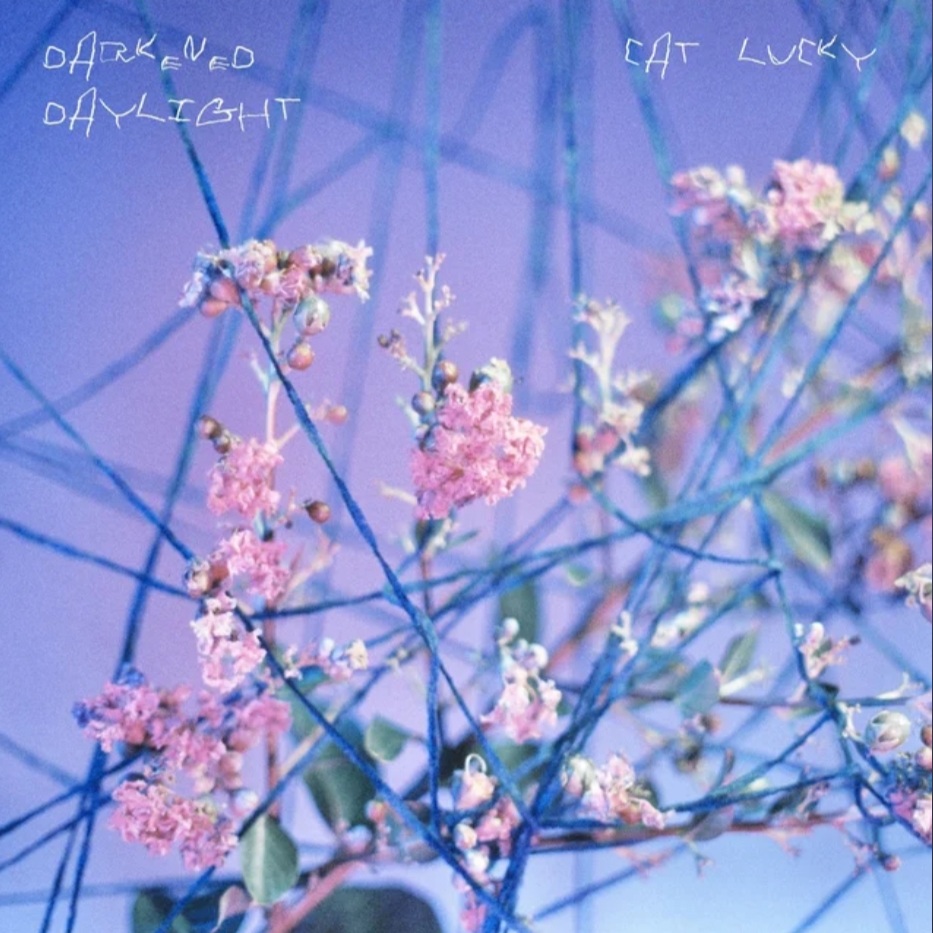
 Sonic Vandals