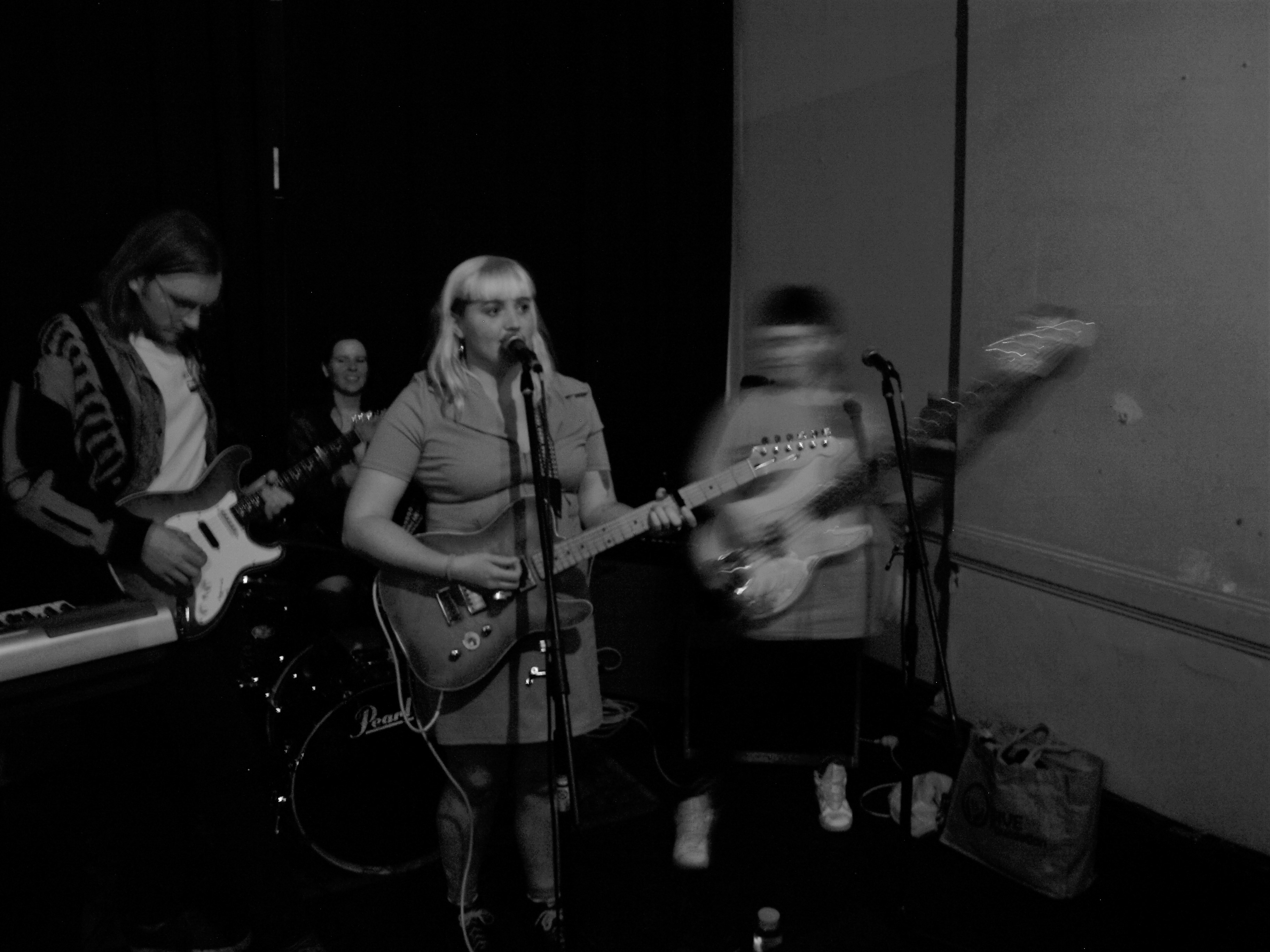
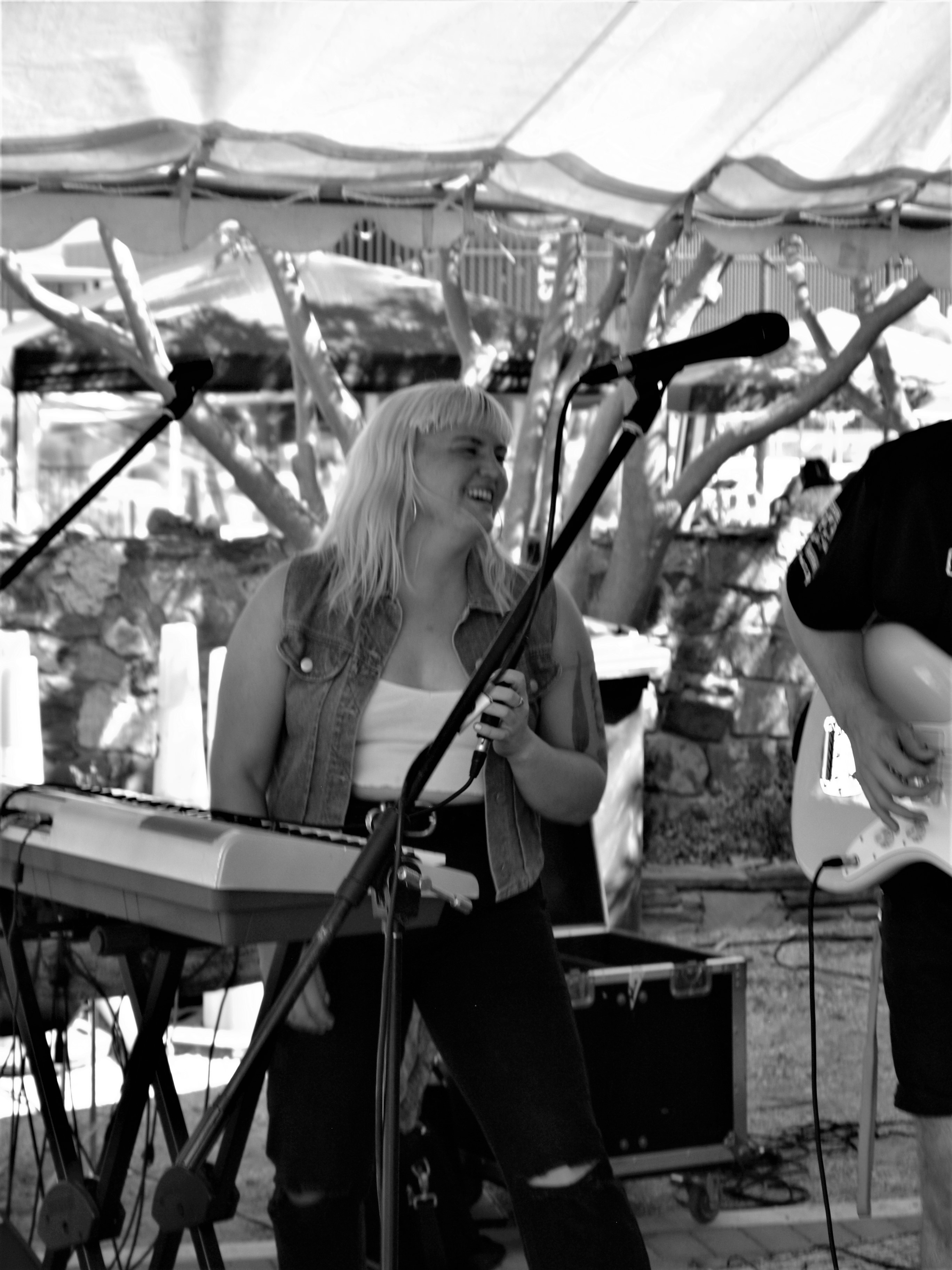
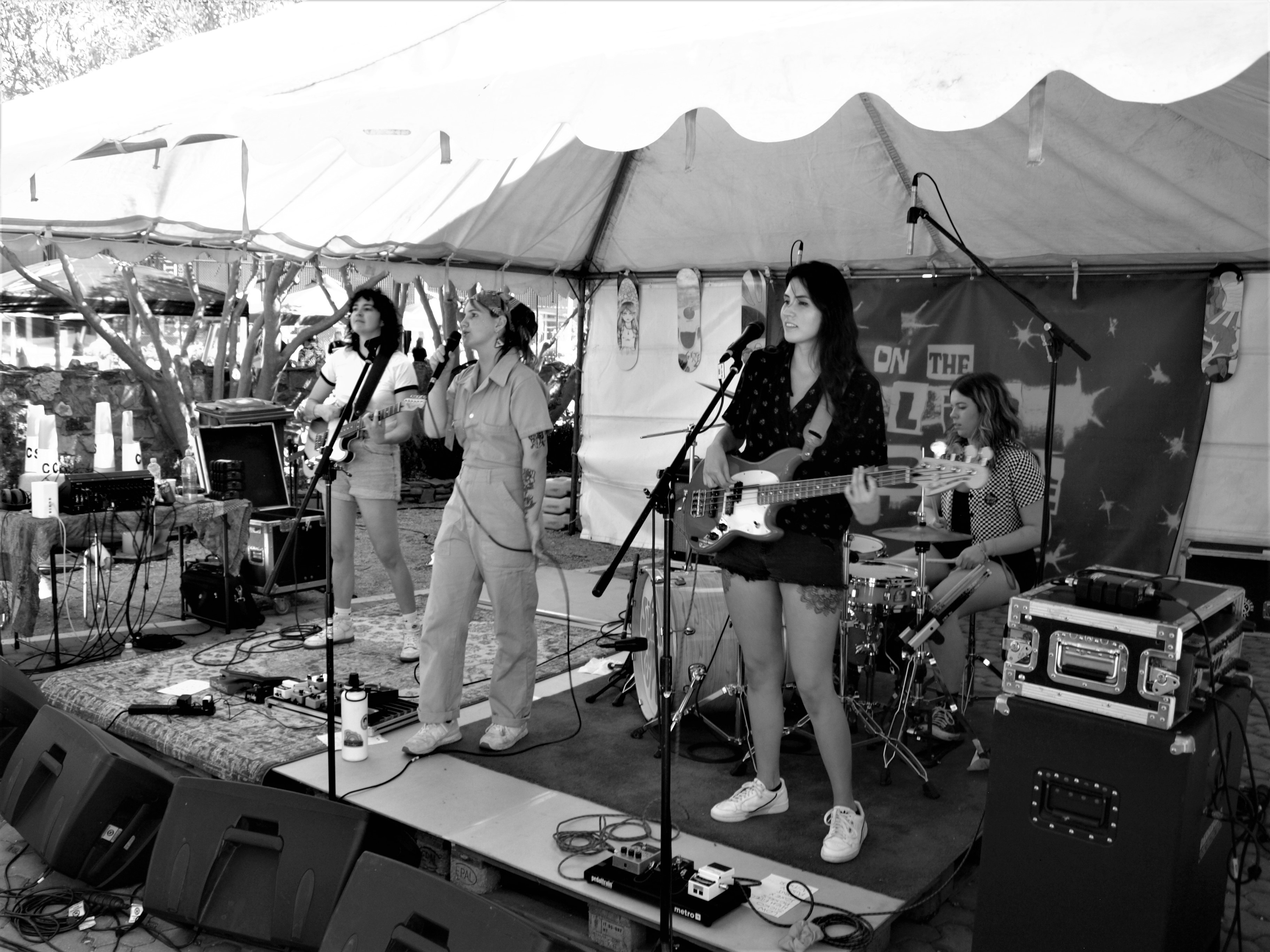
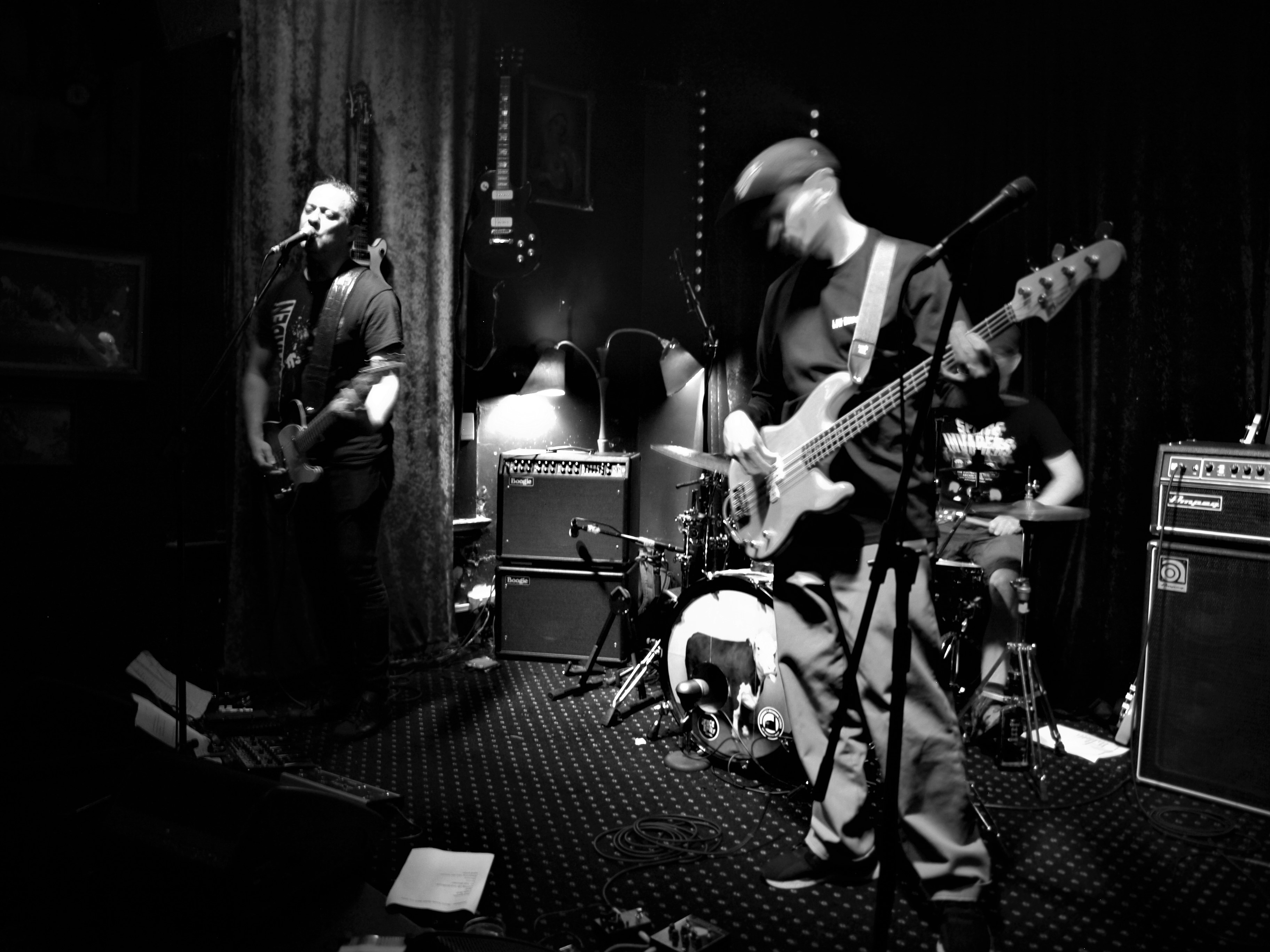
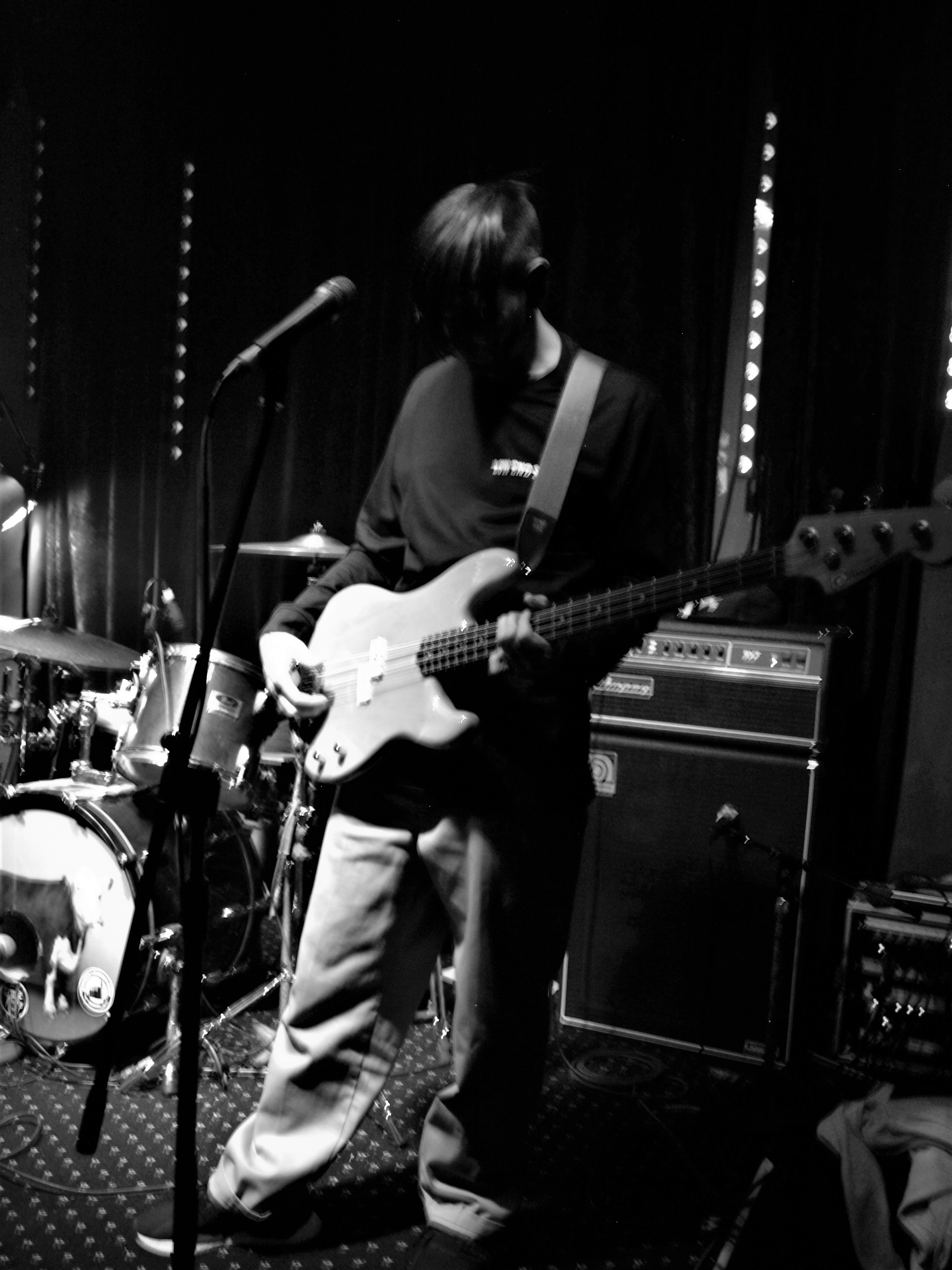
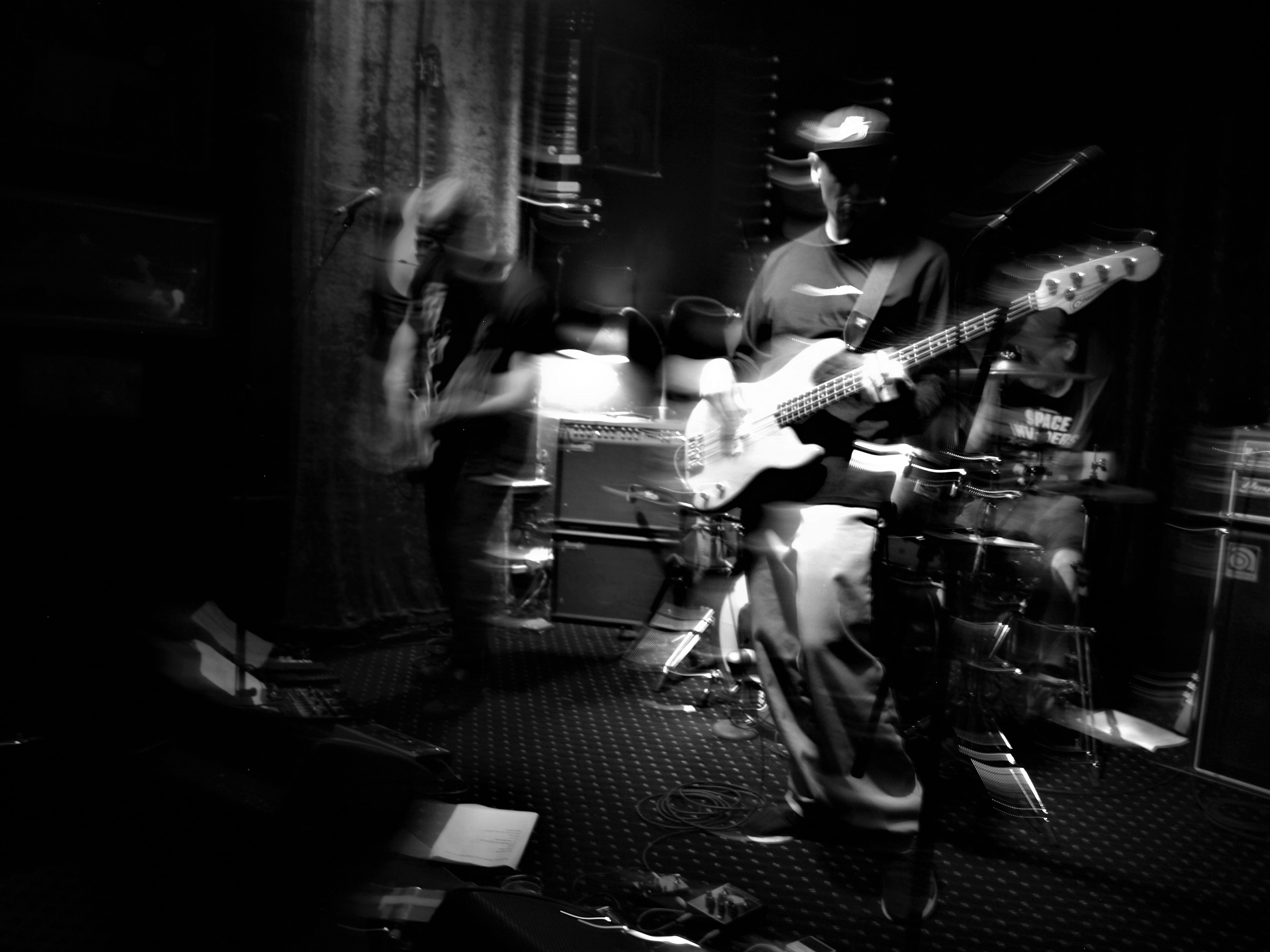
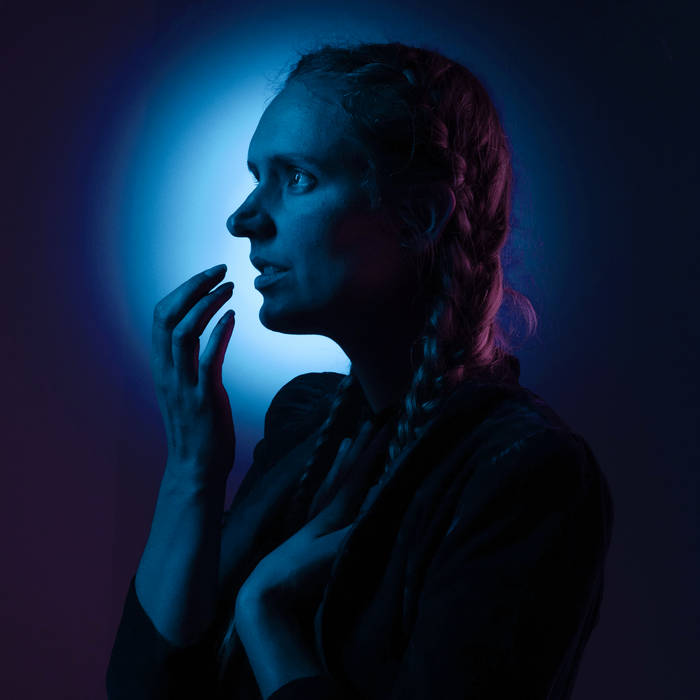
Hey Harriett have been playing around Adelaide for about 6 years now. They’re one of the more interesting and engaging bands on the scene, and a large part of this is down to band mum Georgy Rochow (lead singer/guitar/keys/song writer). As a lyricist she is brutally honest, writing about mental health issues among other darker subjects that encapsulate the human experience. She’s also a talented songwriter and crack rhythm guitarist. Sonic Vandals sat down with Georgy to talk about the band, sexism in the music industry, living with OCD and negotiating Covid as a musician.
Sonic Vandals: It’s interesting that there’s two of us sitting here with their OCD/Anxiety issues. It’s perhaps amazing that we both made it here.
Georgy Rochow: It makes it easier sometimes though, I meet people who’ve never experienced pain and I just don’t know what to talk to them about.
SV: I admire the fact that you do so much different stuff. A lot of people use their issues, and I’ve used it, I’ve hidden behind OCD/anxiety for years.
GR: I read a post recently – I follow quite a few accounts that are really helpful, and it was a little picture that had OCD in the middle and it had all these tangents coming off like a mind map, it was about how it’s very rarely a standalone illness. For me, I’ve definitely got OCD tied in with anxiety and depression, they’re my three. But for others it can be even eating disorders, which are actually often associated as well. I had no idea, I feel like I’m learning every day something new. I forget about it so much and I hold myself to a standard of everyone else around me and I forget that actually I do have something underlying that makes things a lot harder and I’m working sometimes twice as hard as my mates just to get out of bed. I just forget about it because I guess I just got on with life for so long and suffered and didn’t really realize there was a reason why.
SV: Yeah, it’s interesting that from what I’ve read on your blog, your OCD symptoms are similar, but not exactly the same as mine. But it also fluctuates as well. I don’t know why, but I had quite a few years when it was just really, really bad. When I was in my late teens and early 20s and then-
GR: Yeah, same actually.
SV: It sort of died out for a while, and then at the end of my 20s it suddenly came back again.
GR: That’s so interesting because I’ve found yeah 19 through to 24 was, I didn’t think I’d survive that chunk of time. And then it kind of got better without me doing much, I was seeing a counselor, but I still hadn’t been diagnosed with OCD at that point and then it got better for a while. Then it came back last year, even worse, in different ways, different triggers. Now I had to work so hard to move out of that, but it’s interesting how it comes in cycles.
SV: And then sometimes I haven’t been able to work out what triggered it. I don’t know how you can get so completely closed off from everything around you. And you do have to fight to get out. Every bloody day.
GR: Yeah, I’ve just come out of a really dark patch where I was very much pissed off. I was really angry that everything was so hard and that I just had to keep going. So I’m getting pretty tired of trying. My ex moved out and that was hard, but then it was kind of better. And then I got told I had a gut parasite and actually started treating my health a bit more and then suddenly I had a bit more energy and it was a lot easier, but I just so sick of it being hard, you know. If it’s not my mental illness, then my body is not very happy these days. I think it’s all related it, would have to be. The fact that I don’t sleep well ever, and I’m always switched on and stressed even when I think I’m calm. The only time I feel really good I think is after Yoga class again. It doesn’t last that long! (laughs) There was a point where when I was doing my yoga teacher training, I was the most well I’d been physically and emotionally, and then a friend died and that was really traumatic. But I was still doing really well, and then I had the burns accident ended up in hospital, lost my physical health, lost my mental health, 10 million steps backwards. Still haven’t recovered. Still can’t even do a downward dog for five breaths without my wrists hurting. I was so fit!
SV: You’re considerably younger than me. I’d say probably about 25 years younger than me.
GR: Something like that.
SV: And it’s not going to get any easier Five years ago I tripped over while I was running and smashed my knee and I can’t do it any more I can, but I can’t do much. I can run once a week and that’s it. It’s the same knee that’s playing up after last night (injured in a Raccoon City pit) so I really should just behave myself.
GR: So hard to behave though.
SV: Yeah, well, you gotta let off steam sometimes.
SV: If I didn’t listen to music, I’d go completely mad. Music for you must be some kind of an outlet because you wouldn’t keep doing it otherwise.
GR: It keeps me sane. I don’t really know what else to do in life well. But I think that’s the thing I struggle with is the only time I actually feel really present and the person I’m supposed to be on the inside is when I’m on a stage. Then covid hit here, and I wasn’t on stage anymore. I lost my whole identity overnight. I’m still getting it back, and there’s not that many opportunities kicking around. I don’t get to play that often anymore, so I had to rebuild what it means for me to be a creator. It has been really tough, so I don’t feel comfortable in everyday life. I’m starting to learn to. Normal human conversations are not, they’re something I’m still working on.
SV: You are a natural performer as well – it comes across through the joy of Hey Harriett performances, and that’s one of the things I love about the band.
GR: Yeah, it’s actually really interesting that. I guess I was always supposed to be a performer, but I was, and I still am quiet. Shy is not the right word, but I think I have such a low self-esteem. When I was younger, I was like the little fat tomboy kid and there was always a lot going on in my family life and I never was given opportunities to shine, or for other people to see my potential and be proud of me for what I was doing. It’s only recently that I’ve started accepting that I am a good performer and people actually do like my music and things like that. I’m 28. It’s pretty sad that it’s taken this long to get to that point.
GR: Everyone has their own timing and I have to remember that. It’s hard sometimes when you see the young kids coming through and they have so much support from the industry now too, which is amazing. That wasn’t there when I was coming through.
SV: Does sexism still play a part?
GR: It doesn’t happen as much anymore. It used to happen quite a bit with sound techs, or venue managers or whatever, not talking to me, but talking to the boys in my band. I’m a strong fucking woman, I tell all these boys what to do, I’m they’re leader.
SV: It’s your band and it’s pretty damned obvious.
GR: You know what I mean? It doesn’t really happen much anymore. I have a bit of fun with it now.
SV: There’s still plenty of sexism around.
GR: 100%. And then it kind of flip flopped a bit the other way and we walked a fine line for ages. When it was Hey Harriett in the formation of me and just the boys, we weren’t considered a female act really even though I write all the music, I’m the band leader and I organize everything. In some ways it’s even more empowering for a woman to work with only other men. Because there were times at the beginning where the egos of some of the other bandmates that, unintentionally tried to take over a bit, just because that was their natural state. To be like “I want to do it this way and I wanna do it that way” – I had to learn how to stand up for myself and my music and my vision and tell them to back the fuck down. I had felt like I was fighting to say we are a fucking female act. Eventually we got a few gigs with Girls Rock and things like that, and it started shifting a bit but there was a while there where we were getting treated like a boy band in terms of support from people putting on all female lineups and things like that. Here’s me swimming in this ocean of men (laughs) but I’m a fucking woman, you know.
SV: And it’s all your point of view too, and that’s your vision. It’s clearly your band. That was obvious from probably the 1st 10 seconds I saw you on stage.
GR: Yeah, it’s been an interesting journey. I’ve seen a lot of stuff. It’s cool to see how it’s changed, and I feel we’re in a whole new world now with COVID and post COVID. Well, we’re still kind of in COVID. I enjoy being on stage more now. I think because it’s fleeting. You never know when your next gig is going to be.
SV: Yeah, that is true. They have been very few and far between recently. I think I went to 50 shows last year. I don’t think I’m going to get to that many this year.
GR: We’re pretty lucky, a lot of ours fell before lockdowns. We’d play a gig and then three days later we’re having a lock down like, sick!
SV: Did any of yours get cancelled?
GR: Our biggest one got cancelled which was supporting Montaigne. I was gutted. That was the start of COVID, the very start of it hitting Adelaide. I was thinking “please just hold out” and then it was the day before and they cancelled it. It felt finally like all the hard work was coming to something and we’re rising a bit. And then it was pulled out from underneath us. It was a shocking time.
GR: It’s frustrating and the state government have all these little pocket grants and stuff that was so hard to apply for. I applied for a few and didn’t get any so I went through that stress and anxiety of applying.to just get rejected. There was no support for the arts really through that time.
SV: I am interested in the band history because I only found out about Hey Harriett last year. How did it come about?
GR: I started as a solo artist in about 2011. Yeah, I reckon it was 2011 when I first started performing, a long time ago. I was in year 11 at school and started playing at the top pub in Willunga in my hometown. I kept doing that and eventually got up the courage to start playing the city, things like open mic nights, including one that was incredibly sexist, I was on very late and only got one song! (laughs) But I was determined to kind of keep going and forge my way forward. I was used to being around men – I have two older brothers and grew up in a country town. So I was used to the less than ideal comments or attitudes towards female musicians in a weird, sad way, so it didn’t hit me too hard at first. I started writing songs with an acoustic guitar singer, songwriter vibe and I was enjoying that because the songs were really pretty, and I could express myself through words easily.
I was writing about my life in a kind of diary format, and I really enjoyed that. Then I started writing songs that were a bit edgier, and I think probably because I was growing up and didn’t want to be seen as…I got sick of being nice (laughs) and the songs sounded hollow solo. I started looking for a while for other artists to jump on board, other musicians, but couldn’t really find the right people for quite a while because I had no foot in the music scene. Because I grew up in a country town, I didn’t really know anyone. I slowly person by person built up some sort of contacts but I hadn’t really found my people yet, and then I moved to the city and that kind of helped because I could go out a bit more and go to shows. And then I went to WOMAD one year. I had just started studying at Adelaide Uni.
That was my first semester studying music at Adelaide and I went to WOMAD, and I met Mitchell (Skinner, original Hey Harriett drummer) there. I met him at WOMAD through a mutual friend and then on Monday he just happened to be in my class at Uni. It turned out we were studying the same degree or slightly adjacent – he was doing sonic arts and I was doing pop music, so we shared a lot of classes. Then my friend said, ”You know, Mitch is a drummer?” So, I started chatting to him about how I really wanted a drummer. And then I poached Bryn from Bromham, so I think I’d already started filling in in Bromham at that point and it started falling into place.
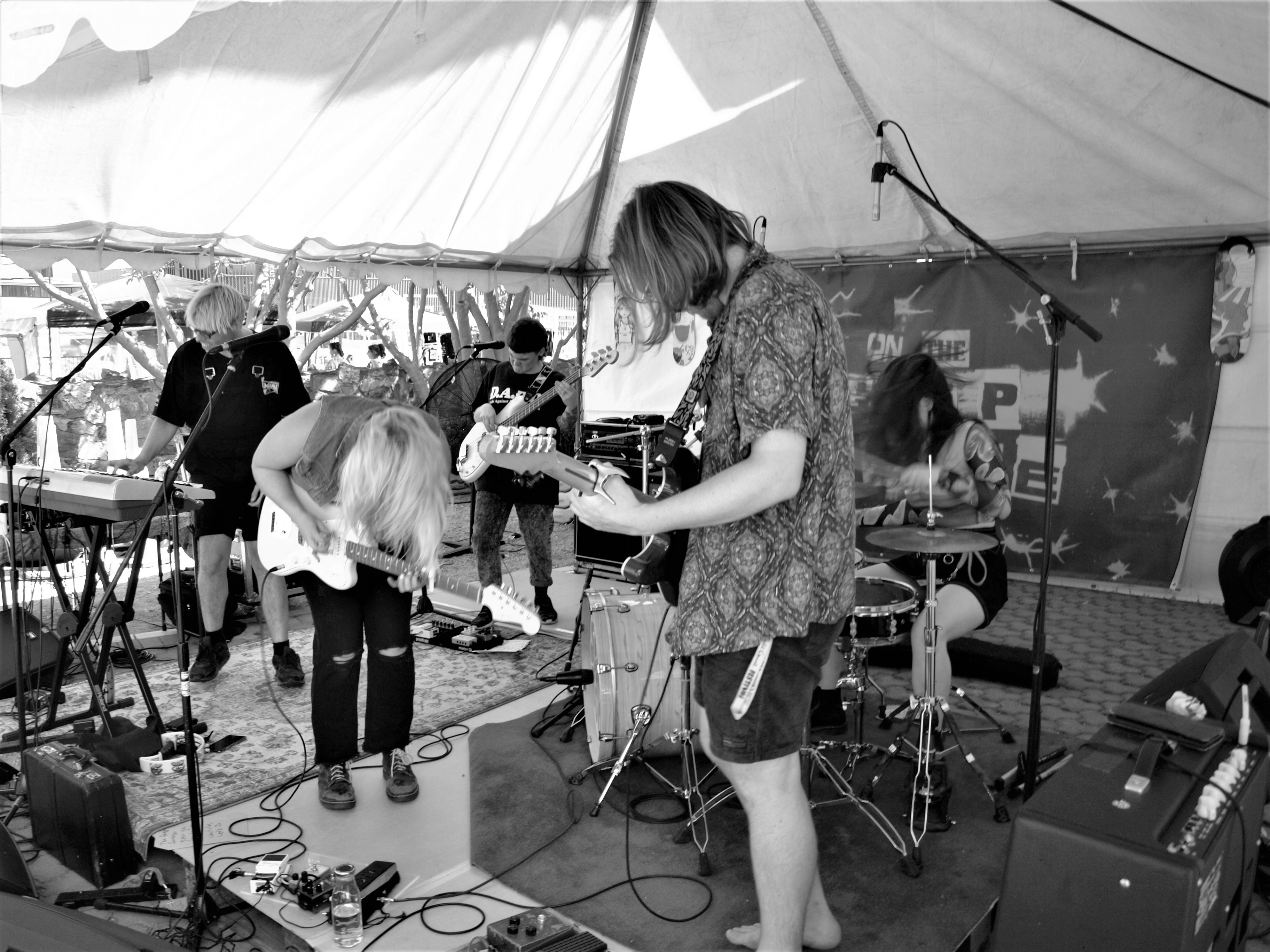
GR: The original line up has changed a bit over the years. When Heather joined on bass that was the first time I started working with another woman in the band, which was really cool. John’s harmonies were amazing and really quirky, but we lost that when he left. Heather’s voice – she’s seeing everything I’m hearing, which was amazing. We went on tour and stuff like that. And then Heather left and now we’ve got Annie and then Amy joined on drums. Mitchell kept wanting to leave in his van. He had this dream of driving off into the sunset, and he finally did. I made my peace with that, it was so emotional because he was the last core member, the original. He lasted a few months and then he’s telling me “I’m coming home” but I’ve already got a replacement (laughs). We always struggled as a band because we were quirky people who valued things like home life and being in the outdoors over going to sink beers and staying out late at gigs. We found that really draining and stressful, so the networking wasn’t really there, and we didn’t fit the description of what a successful band in Adelaide looks like to some of the organisations that define that.
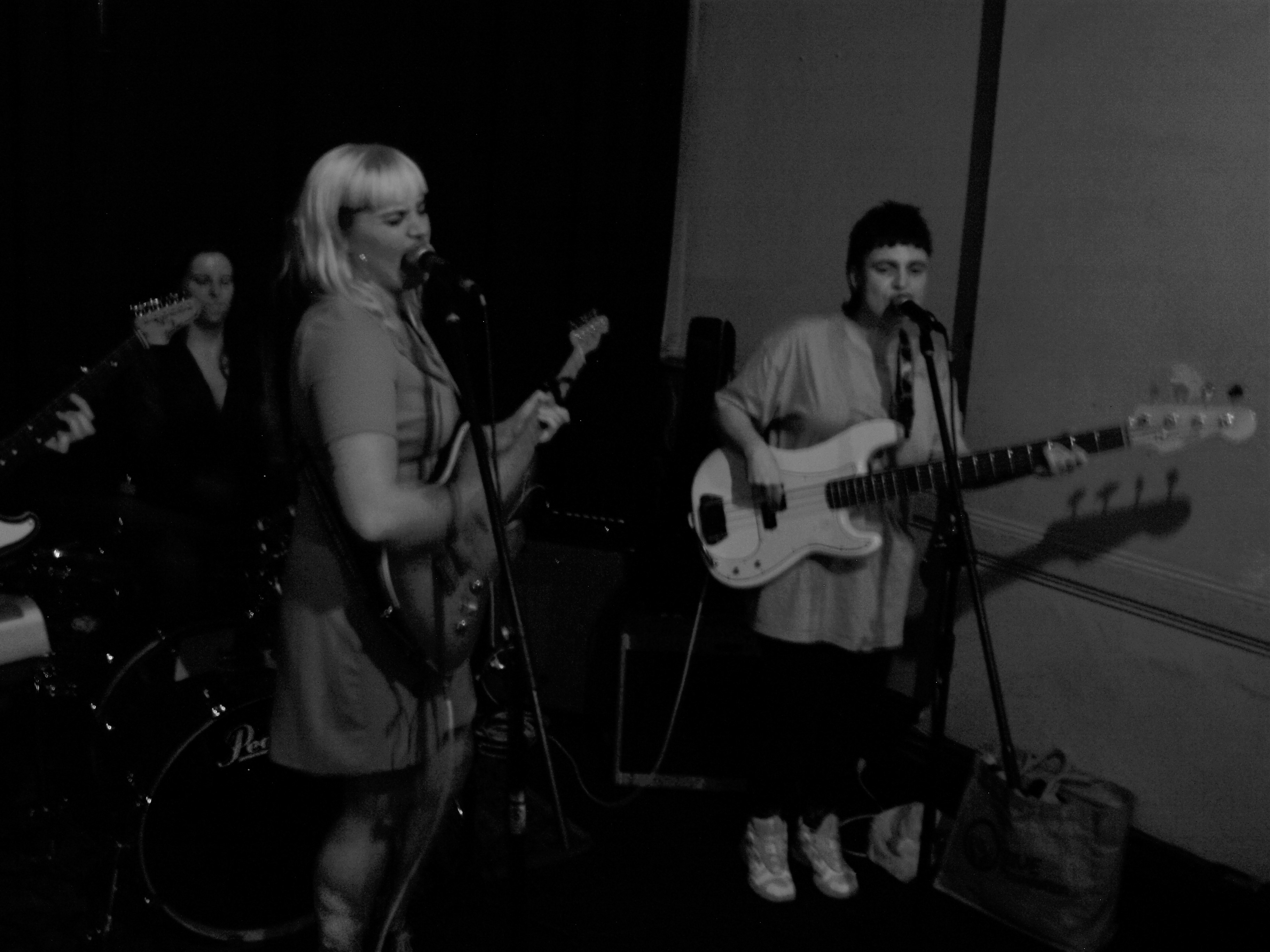
GR: It’s interesting now because we’ve got Alex Black, Amy, and Annie who are all people who are so in the music scene, in their various bands. They just love it, and they find it so easy, well maybe not easy, but it’s a big part of their identity and personality and it takes pressure off me cause now I can say “I live in Aldinga and I’m an hour away from the city and I’m not coming into this show. ‘Hey Alex, do you want to go? And can you take some Instagram stories to the band?’ And can you talk to people, and can you carry some of that load that I can’t because it’s too much for me?”
SV: There’s always an element of cliquiness in any music scene, and I can see it now.
GR: I hate it, yeah.
SV: There certainly seem to be bands, and I don’t know if they are more popular, but they seem to get more shows than others.
GR: It’s very cliquey and disheartening. I’ve struggled with that the whole time we’ve been together because, we didn’t fit the mold. We’re doing our own thing which I love. I wouldn’t know how to change us to be what people are looking for because it wouldn’t feel authentic. Being authentic is a big part of me as a creator. And I do see some other bands and I look at them and think ‘your songs are catchy, and you’ve got everything together, on paper you look so amazing, but I have no emotional connection to what you’re doing.’ It’s that hard line of: do you market yourself in order to get ahead? Or are you doing it because it’s a true expression of your soul. We opted for the ‘we’re probably never going to be famous, but we’ll just keep doing what we’re doing’ option because I didn’t see another way. If I started writing songs I didn’t believe in, then I’d feel so shit on the inside (laughs).
SV: And that definitely comes through, there isn’t another band like Hey Harriet in the scene.
GR: Yeah, I’m a bit strange (laughs).
SV: Your sound is completely different. I don’t know if I’d say strange, maybe different.
GR: Eccentric.
SV: I like different, different is good.
GR: I like that one. Eccentric. Or eclectic. That’s the word I was looking for. An eclectic group of people is what we call ourselves.
SV: There are other bands like Seabass, St Morris Sinners, The Vains and others as well that make you feel something.
GR: And they’re the gigs I’ll go to cause they make me feel a lot of things on the inside, you know?
SV: And if you don’t feel anything, what’s the point?
GR: I don’t know if it’s just because I was sensitive, but I would go to some shows, and I’d feel so out of place and so anxious and like I don’t fit in here. Even though I’m in this band and we’ve got heaps people who love listening to our music and we’re playing these cool shows. But I’d be thinking, “oh, I’m not cool enough to be here” and I thought it was me overthinking things with my overthinking brain. And then I’d start talking to other people and it turns out I’m not the only muso that feels that way. I guess there’s certain groups of people I just still feel so out of place around in the music scene, which is sad. I don’t think it needs to be that way, but it’s almost like they’ve put up a front and yeah.
SV: Hey Harriett has a really good vibe. Your shows are a positive place to be and even if the music is a bit dark, it’s a catharsis thing. There’s an exchange of energy as well, it’s not all one way. It’s not just you getting up there doing it for you.
GR: I think that’s a big part of it. That sense of community is really important to me, and I’ve had multiple random people I’ve never met, audience members come up afterwards and say something or they’ll send me an Instagram message. My favorite thing to do when I get home from a gig is to lie in bed and go back through and watch the stories and stuff. And I’ve gotten some of the most heartfelt messages on those nights. I’ll feel quite down the next day after a gig because of the drop in in adrenaline, some of the nicest things that have been said are along the lines of “I’ve never felt so comfortable in an audience before” or “I haven’t had so much fun at a gig in a long time.” And it’s like, I think that stems from the fact that I can feel so uncomfortable and so unloved by the bands that I’ve been to see in specific places that I would never want that feeling to be instilled in any audience member that comes to one of our shows. I want everyone to feel comfortable and welcome and happy. Or not just happy, permission to be sad at a show as well, but just feel like you’re allowed to be there. I hate going to gigs, where you pay your money to get in and then the bands are just in their own world and they’re being selfish, and they’re not considering their audience. They’re not talking to you; they just play their music and then shout things into the microphone and sink beers. And they don’t care about you as a member of the community that you’re trying to create. I’m not there to serve myself, I’m there to serve the people. And then through doing that I’ll get so much back from the people. Often the message is so well timed – it’ll be when I’m feeling the most down about a show being like, no one could dance at that one – for example the two UniBar gigs we played. The second one I left feeling like I was on Cloud 9. The one before that I was over thinking everything when I got home – maybe no one liked our set and all this kind of stuff. Someone sent me a message and it was just the nicest message.
SV: That was still a good show.
GR: But it’s different cause you can’t get that energy back from the audience when they’re sitting down and far away (laughs).
SV: It was weird. It’s the only time I’ve sat down at a Hey Harriett show.
GR: We’re not meant to be seated at.
SV: I went to that one with my wife and we were just sitting there going OK…
GR: Yeah, it’s weird sitting for sure.
SV: It was a good show. I love Cove Street. They were really good. I’d never seen them before. Twice Lichen were good too. There was a good vibe to that show.
GR: Yeah, and again both those bands were so lovely to talk to as well. We try to avoid getting ourselves into lineups with bands that we don’t I guess like. We want our vibe to suit – we want to play with nice people. I think it’s not that hard to be a nice human, you know I think if your base level is walking through life, not trying to cause harm to anyone. I know shit happens, you have a bad day or whatever, but just don’t be a dickhead. It’s so nice I’ve somehow found myself in this web of really interesting bands and really interesting humans and everyone is so nice, which is great. Probably because I just fully reject the other parts of the scene. I walk into a room sometimes and be like “Nope going home.”
SV: The first time that we saw Hey Harriet was at that Girls Rock fundraiser last year with Oscar the Wilde, Stabbitha and Pelvis and my daughter walked in there, you guys started playing and she felt safe and at home. And the queer vibes help as well.
GR: That always helps, yeah?
SV: She often feels like she’s being possibly being attacked for being queer as well. There’s certainly still plenty of homophobia out there.
GR: Yeah, it’s hard sometimes. I forget how many different parts of my life have the potential to be hard. Suddenly I was in a two year long relationship with a woman and some places we would be holding hands and I would feel uncomfortable, and wonder why do I feel uncomfortable? I was shocked to realize that when I was born, the year I was born, it was still illegal to be gay in Tasmania. I think that was the year that it got changed. I was alive when it was still illegal.
SV: So we’re talking about 25 years ago?
GR: 1993. That was the last state to change. I only found that out recently and that shocked me. Perhaps that’s why I have this kind of underlying sense of insecurity.
SV: Yeah, well, so there are still people out there who are completely homophobic. It’s really fucking scary.
GR: It’s terrifying. Even just walking through the city at night I would often just be less affectionate cause if they’re not homophobic, there’s often some people out there who fetishize it as well, give you weird looks. Then I had the opposite of that. OK, obviously I’m interested in women, that’s just who I am type of thing, I went down that path and then realized well, actually I’m also interested in men. And then there’s the whole thing of some of the people in the queer community, gay community, think that you’re just dipping your toe in and then you get a bit of flak from them as well. That was the recent thing that I went through. I was kind of seeing this guy. It didn’t work out, but I was mourning that community thinking I know that some of my friends are now going to discard me because I’m not gay enough for them, you know? And that’s another side of it as well. That’s hard.
SV: Yeah, there’s definitely plenty of biphobia isn’t there?
GR: There’s just too many people judging other humans for what they want to do with their lives! (laughs)
SV: Exactly, you love who you love, that’s all there is to it, and that’s all they should be to it.
GR: Yeah, exactly yeah, but it’s so hard to juggle. We’re lucky in a lot of senses. There are places in the world that if I wanted to travel with a female partner like we would have to lie, you know. Say we were sisters or something because it would be very unsafe, physically unsafe. In Australia most of the time, we’re pretty lucky. I guess lucky is not the right word. Pretty safe, but it’s sad that there are people out there who care about things that shouldn’t be cared about! I think it should just be whatever you want to do. Whatever makes you happy.
SV: Tell me about the live album you made at the Crown and Anchor.
GR: That was fun.
SV: That’s such a good recording. I know it’s not perfect, but it’s obviously live.
GR: For a live recording too. That was a really fun project.
SV: There’s no overdubs on that, right?
GR: There was something. We had to go back and fix something. Maybe not overdubs, but we did a few takes of things and then Lachie (Bruce, sound engineer) would pick the best take. I think there are a couple where we did have to edit something in from another take to fix a bum note or something.
SV: Just like Jimmy Page did with all the old Led Zeppelin live recordings in the 1970s.
GR: Yeah, it was really fun to just do it all together because we’re finding, the recordings that we had done in the studio I think sounded quite a bit different and the energy wasn’t captured. So then to do the live recording, part of that was trying to capture some of that energy. It would have been cool if we could have had an audience in there
SV: I’m also curious about the way you write your songs. What inspires you to write and where do the ideas come from?
GR: Pretty much exclusively from lived experience. I find it really hard to write outside of that.
I feel like you get possessed by the music or something. There’s been times, the best songs I’ve written are the ones where I just sit down and press record and they come out almost fully formed and it’s crazy. To think that you could be carrying that around inside you and not know until a specific moment and then you sit down, and you feel like you’re just the vessel that it comes through. That’s just such a weird experience. ‘Hearts in the Ocean’ I wrote super hungover sitting on a jetty just with my phone and sang the whole song out, edited it a bit. I love driving – when I’m driving, I’ll put voice memos on, and I’ll start humming a bassline or a rhythm. And then suddenly I’ve created a song there and I’ll get so agitated cause I need to go home and play it. So often I don’t choose the time to write a song, the song chooses me. And it’s always very inconvenient timing.
SV: The arrangements are all yours as well?
GR: Yeah, most I’d say. I write all the songs and then band members have freedom to create their own guitar parts or own basslines or whatever. And then I’ll hear it and be like “I was actually kind of imagining something a little bit more like this”. Mostly I try to give them freedom in creativity, so I guess I’m writing the form of the song with lyrics, the melody and I have in my mind an idea of what energy it’s going to have, what it’s going to sound like, and then I hand it over to them and go “read my mind!”

 Sonic Vandals